

Table of Contents
- Flexo is a versatile packaging print process, well suited to labels, films, foil, corrugated, paperboard, and paper.
- Digital printing is strongest for short runs, frequent artwork changes, personalization, and variable data.
- Flexo becomes increasingly cost-effective for medium to long runs, where plate setup costs can be spread across higher volumes.
- Offset and lithographic printing remain strong for detailed graphics on paper and smooth paperboard, while modern flexo continues to close the quality gap.
- Gravure is built for very long runs and premium image reproduction, but flexo can offer greater flexibility, especially for thinner and recyclable packaging materials.
- Screen printing is typically used for specialized effects, such as tactile finishes, heavy ink deposits, and strong opacity, often alongside flexo.
- The right method depends on run length, substrate, required quality, versioning needs, inks, drying, finishing, and workflow complexity.
- Prepress automation, plate technology, screening, and color management help flexo printers improve consistency and handle more complex packaging portfolios.
When choosing a printing method for packaging, you’d be surprised by how many factors are involved. It’s so much more than just print quality. Run length, substrate, setup requirements, speed, design complexity, versioning, and finishing can all influence which process makes the most sense for a particular job.
Flexographic printing, or flexo, is widely used across packaging applications. But it is only one option. Digital, offset and lithographic, gravure, and screen printing each have their own strengths and production requirements.
So how does flexo compare?
Understanding the differences can help packaging printers and converters determine where each technology fits, and where flexo offers the right balance of quality, efficiency, and flexibility.
What is Flexo Printing?
Flexography is a direct printing process that uses flexible, raised-image plates to transfer ink onto a substrate.
A flexo workflow brings together several components, including plates, anilox rollers and ink-metering systems, inks, substrates, and drying or curing systems. These elements work together to control how the image is transferred and reproduced on press.
Flexo is particularly well established in packaging where printers need to work with a range of materials and production requirements.
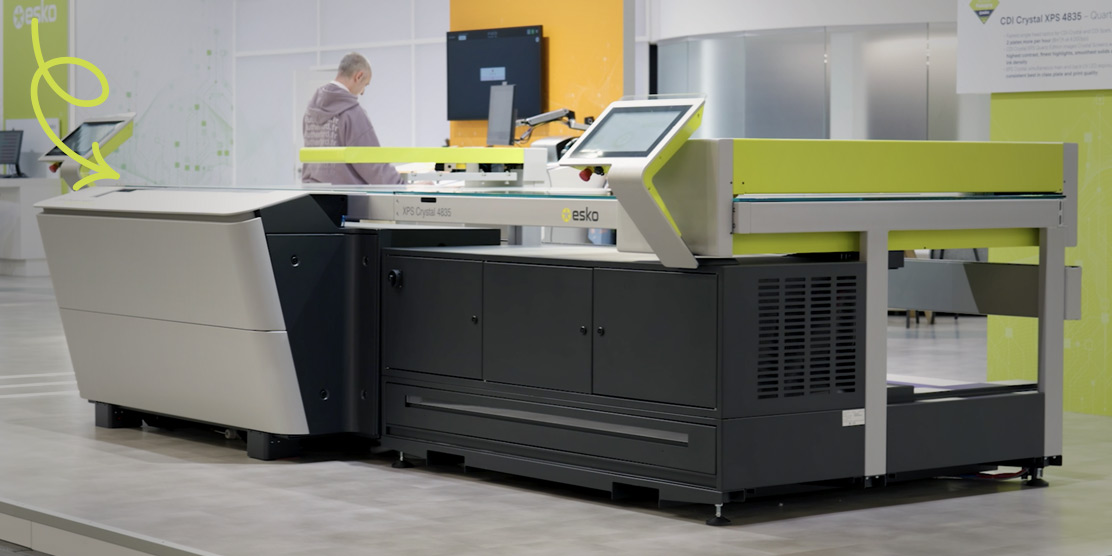
Plate imaging and exposure are therefore important parts of the process. Esko’s flexo portfolio supports these stages with dedicated imaging and exposure technologies designed to support consistent, press-ready flexo plates.
If you are curious, read our guide about the flexographic prepress.
Flexo vs. Digital Printing
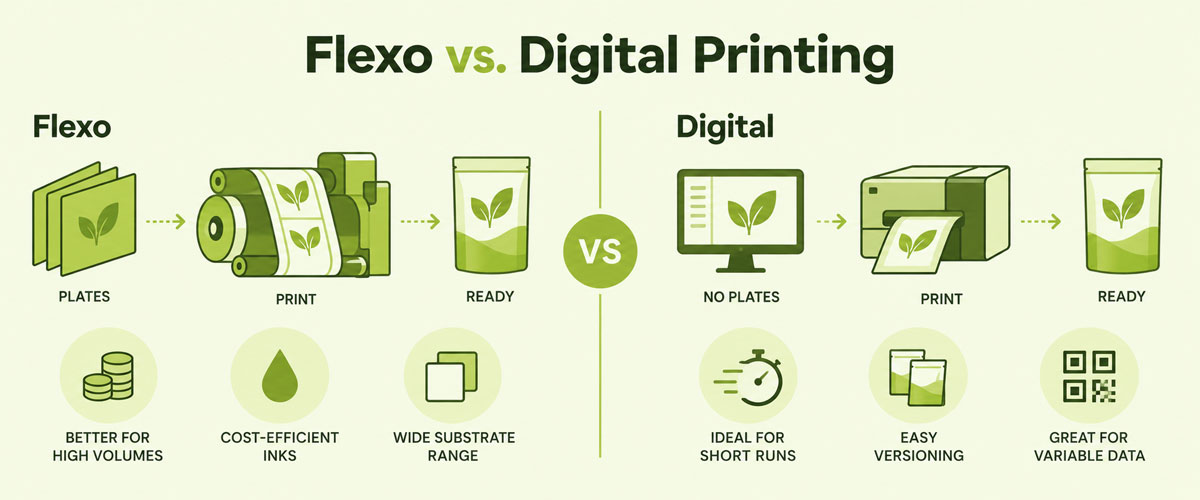
One of the biggest differences between flexo and digital printing is what happens before the job reaches the press.
Flexo is plate based, so jobs require plate preparation as part of the production process. Digital printing avoids physical printing plates, reducing setup requirements, and enabling faster changeovers.
The economics shift once production begins, however. Digital inks can be considerably more expensive than conventional flexo inks, while flexo’s upfront plate costs can be spread across the length of the run. As volumes increase, that can make flexo more economical despite the additional setup.
These differences can have a significant impact depending on run length and the number of versions being produced.
Short Runs, Long Runs, and Versioned Packaging
Digital printing is particularly well suited to shorter runs and applications involving frequent changes or multiple versions. Variable elements such as barcodes, consecutive numbering, batch information, expiration dates, and changing text can be incorporated more easily into digital production.
Flexo, meanwhile, is well suited to scalable packaging production where the economics of plate-based setup can be spread across medium to longer runs.
That distinction is becoming less clear-cut as packaging portfolios become more complex. Even when flexo is the chosen print process, prepress automation can help printers manage shorter runs, more SKUs, and frequent artwork changes more efficiently.
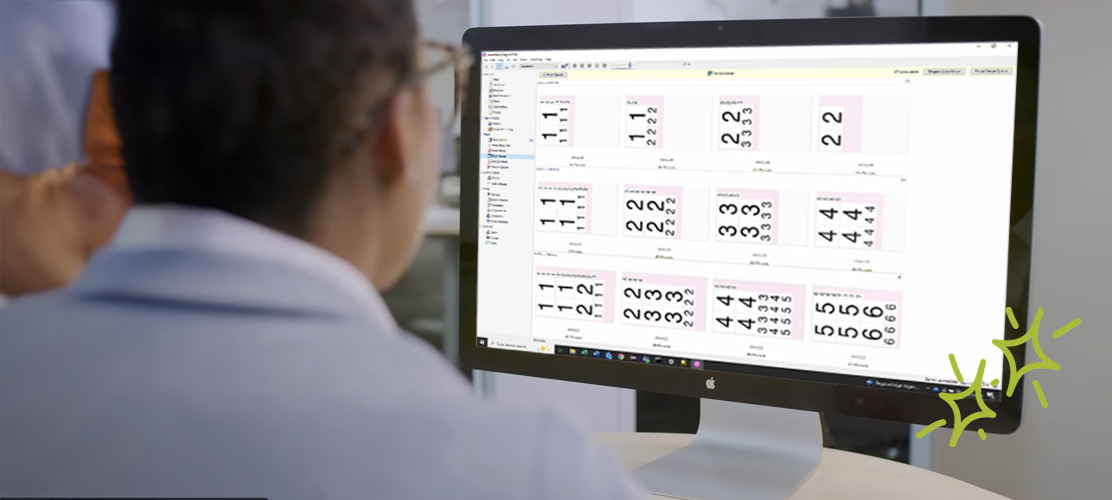
Tools such as Phoenix, for example, can automate planning, nesting, and imposition for packaging production, while automated artwork and prepress workflows can reduce some of the manual work associated with increasingly fragmented jobs.
Substrate Compatibility
Substrate is another important consideration.
Packaging production can involve paper, paperboard, films, and other materials, each with its own requirements for ink adhesion, drying, finishing, and converting. Thin films can be particularly demanding.
Offset and lithographic printing are closely associated with paper and smooth paperboard applications, while flexo is widely used for labels and flexible packaging across materials including films, foil, corrugated materials, paperboard, and paper.
Digital printing generally supports a more limited range of substrates than flexo, particularly when it comes to films and other demanding packaging materials. Substrate compatibility, ink adhesion, material handling, and downstream finishing requirements can therefore place greater constraints on where digital printing is used.
Variable Data and Personalization
Digital has a clear advantage when every printed piece needs to be different.
Variable text, images, barcodes, and other changing information can be incorporated into digital jobs without creating a new physical plate for each version.
For packaging converters using multiple print technologies, this does not necessarily mean flexo and digital have to function as completely separate workflows. They can be complementary.
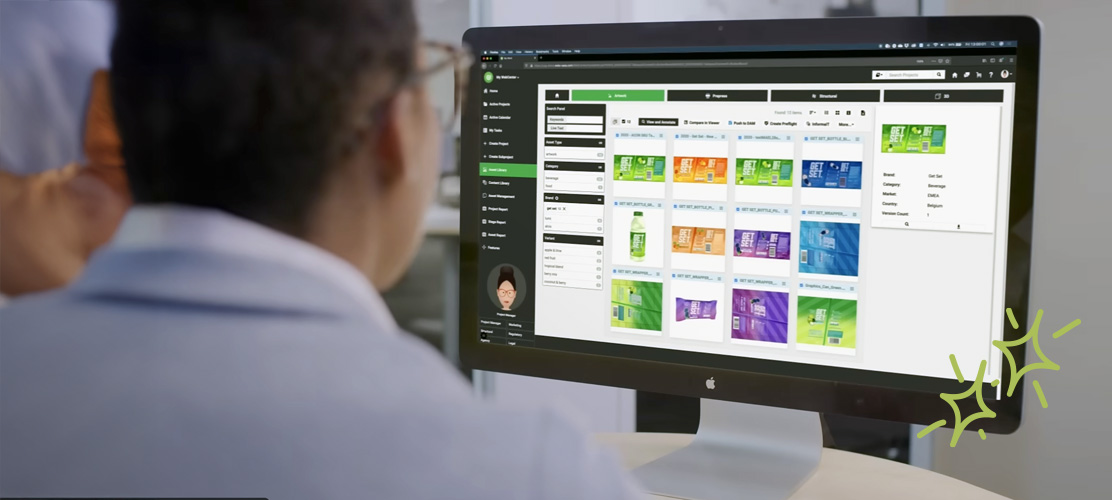
Prepress tools can support variable data and artwork preparation across digital and hybrid environments, helping converters manage jobs based on the requirements of each application.
It is also worth noting that an increasing number of new printing presses are now designed as hybrid presses, combining multiple printing technologies in a single workflow.
In many cases, fully equipped flexo presses combine multiple print stations with one or more in-line digital print heads. This hybrid approach combines the cost-efficiency and productivity of flexographic printing with the flexibility of digital technology, enabling the addition of variable content such as barcodes, text, serial numbers, QR codes, and other customized elements without disrupting production.
Extended color gamut printing can add another layer of flexibility. By using a fixed set of inks to reproduce a wider range of colors, converters can combine shorter runs of different SKUs and extend the overall print run rather than treating each SKU as a separate job. This approach is increasingly used in flexographic printing to improve efficiency across more complex packaging portfolios.
Flexo vs. Offset and Lithographic Printing
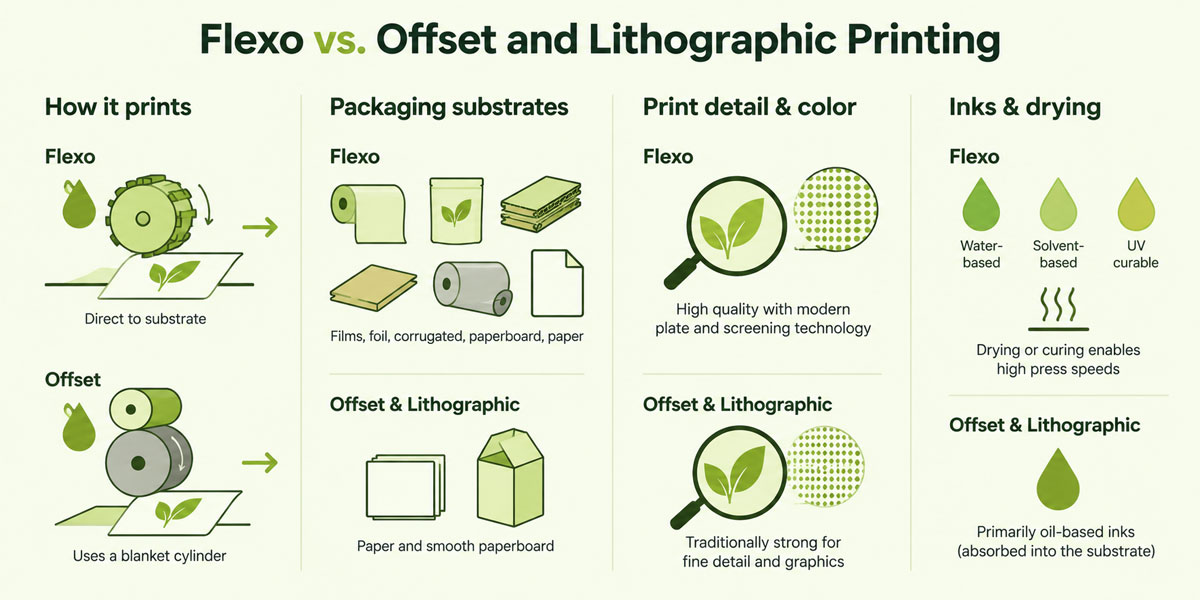
Flexo and offset differ fundamentally in how the image reaches the substrate.
Flexography is a direct printing process: the raised image on the flexo plate transfers ink to the material being printed.
Offset printing uses an intermediate step. The image is transferred to a blanket cylinder before being transferred to the substrate.
That difference influences the types of applications and materials each process can support.
Packaging Substrates
Offset and lithographic printing are closely associated with paper and smooth paperboard applications, while flexo is used across a wider variety of packaging materials, including flexible films, foil, corrugated materials, paperboard, and paper.
For packaging converters, the substrate is usually one of the first factors to consider when comparing flexo and offset.
Print Detail and Color Reproduction
Print quality is another common point of comparison.
Registration, dot gain, ink trapping, screening, and other process controls can affect fine detail and color reproduction in flexographic printing. Offset has traditionally been associated with strong reproduction of fine text and detailed graphics.
But modern flexo technology continues to narrow that gap.
Higher-resolution plate imaging, screening, exposure, and color management technologies can help flexo printers achieve greater consistency and higher levels of detail.
The upshot is that the print method alone does not tell the whole quality story. Plate quality, process control, screening, color management, proofing, and press conditions all contribute to the final outcome.
Drying and Production
Ink and drying systems also affect production efficiency.
Flexo uses water-based, solvent-based, or UV energy-curable inks, with drying or curing capability influencing achievable press speeds and overall performance.
This makes the relationship between inks, drying, substrate, and press conditions an important part of flexo production planning.
Flexo vs. Gravure Printing
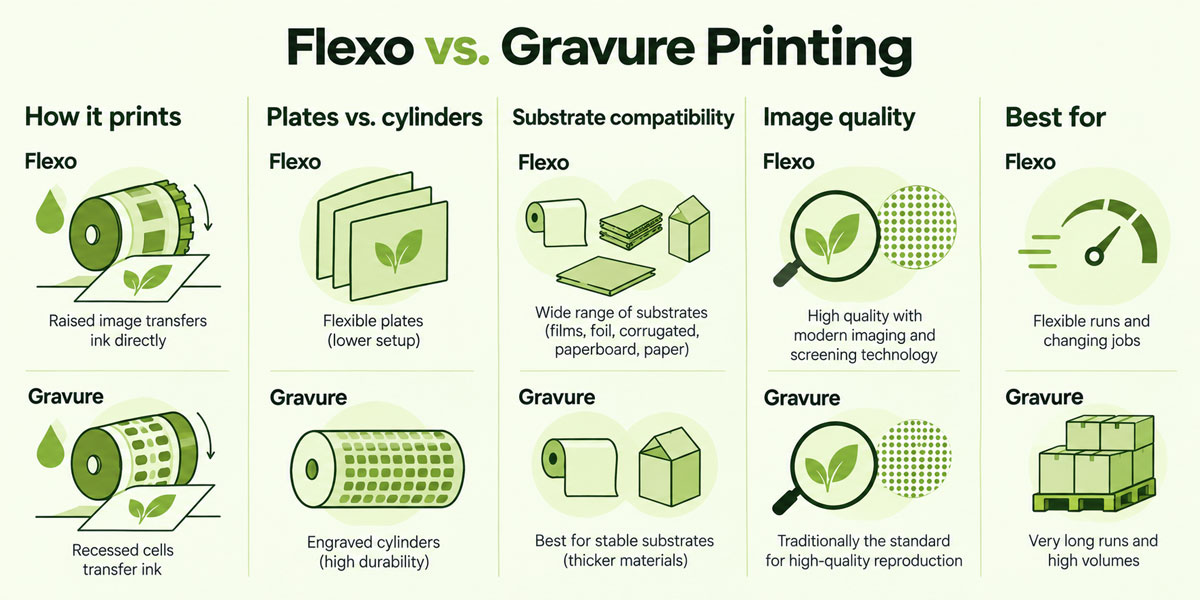
Flexo and gravure create and transfer images differently.
While flexo uses flexible plates with raised printing areas, gravure uses engraved cylinders containing recessed ink-carrying cells.
That difference has implications for setup, economics, and the types of jobs each process is best suited to.
Substrate characteristics can also influence the choice between the two processes. Gravure presses typically rely on tension to move material through the press, which can make very thin or stretch-sensitive substrates more challenging to handle. As substrate thickness decreases, the risk of stretching or tearing can increase. Flexo can therefore offer greater flexibility for some demanding packaging materials.
Plates vs. Engraved Cylinders
Flexo plates and gravure cylinders involve different prepress and setup requirements. While the relative cost of plates and cylinders can vary by market, gravure cylinders are designed for durability across very long production runs.
As a result, gravure is particularly suited to long runs where cylinder preparation and setup can be spread across a high volume of printed material. Flexo provides greater flexibility across changing jobs and production requirements.
Image Quality
Gravure has long been the standard of high-quality reproduction, including demanding photographic packaging applications.
However, flexo technology has made great strides in this area, even surpassing gravure quality today. Improvements in imaging resolution, plate exposure, screening, and ink laydown are helping printers produce smoother solids, tonal transitions, and more consistent print.
Technologies such as Esko CDI Quartz and advanced screening are designed to push flexo quality further, including in applications where converters may previously have defaulted to gravure.
Sustainability regulations such as PPWR are accelerating the shift toward recyclable packaging and driving the adoption of mono-material structures and other sustainability-focused designs.
These substrates introduce new printing challenges, particularly as materials become thinner and more stretch sensitive. Maintaining tension and print register can become more difficult, placing greater demands on process control and increasing the technical complexity of gravure production.
Flexographic printing is emerging as a compelling alternative, particularly with the Esko Quartz Ecosystem. Combining CDI Quartz imaging and XPS Crystal exposure, the ecosystem delivers the consistency and quality needed for demanding recyclable substrates, setting a new benchmark for flexo performance in sustainable packaging.
Consistency Across Packaging Runs
Repeatability matters.
With flexo, plate quality, screening, dot gain, ink trapping, and registration are among the variables that influence the final result. Flexo prepress software and color management tools can help manage these variables and improve repeatability.
Better control of these elements helps printers maintain predictable results while reducing variations downstream.
This especially matters when producing packaging at scale, where small inconsistencies are repeated across a large number of impressions.
Flexo vs. Screen Printing
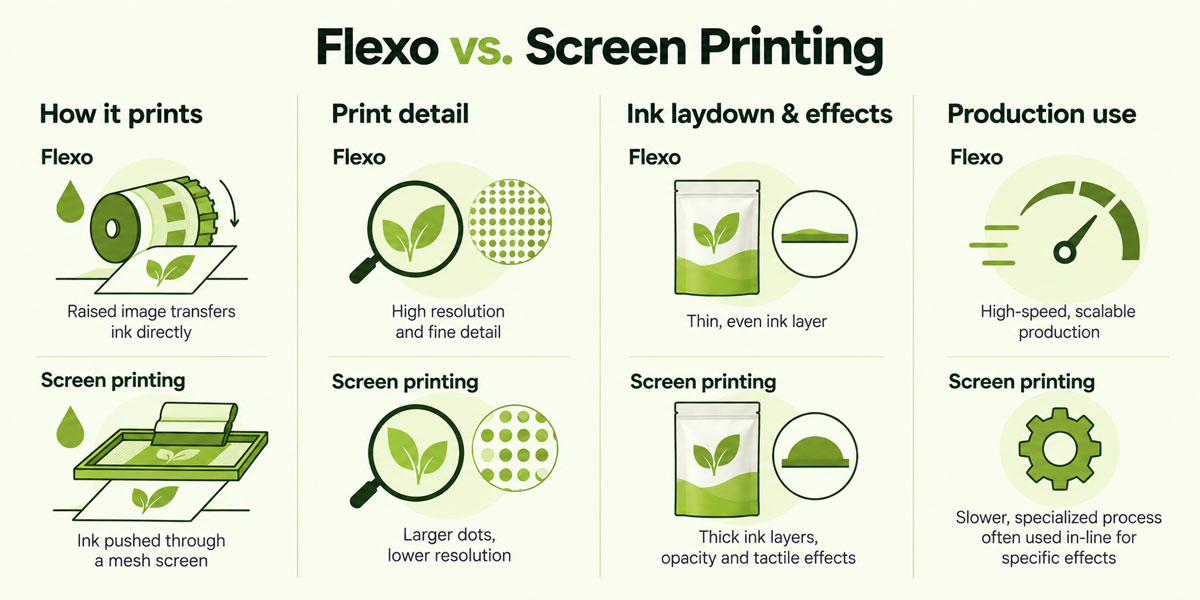
Flexo and screen printing generally serve different purposes rather than acting as direct alternatives.
Screen printing is often used in-line alongside other printing processes when a package requires a thick or tactile ink deposit, strong opacity, or other specialized effects that flexo cannot achieve in the same way.
The processes also differ significantly in print resolution. Screen printing is limited by the mesh size of the screen and typically reproduces much larger minimum printable dots than flexo.
Flexo can reproduce considerably finer details, while screen printing is better suited to applications requiring heavier ink deposits, opacity, or tactile effects.
Production Requirements
Screen printing is generally a slower, more specialized process, while flexo is designed for high-speed, scalable packaging and label production. Rather than choosing one process over the other for an entire job, converters may use screen printing selectively alongside flexo when a design requires its particular ink laydown or tactile effects.
In these environments, the prepress workflow needs to support the requirements of multiple print technologies within the same production process.
Summary: Considerations for Comparing Printing Methods
There is no single printing method that fits every packaging job.
A better comparison starts with the requirements of the work itself.
Run Length and Setup
How much needs to be printed, and how often will the artwork change?
Plate-based or cylinder-based methods involve more preparation before production begins. Digital removes the need for plates, making it attractive for short runs and frequently changing content.
For medium to longer runs, flexo and other conventional processes offer a better fit for high-volume production.
Substrate
The material being printed can quickly narrow the options.
Films, foil, corrugated materials, paperboard, and paper all behave differently during printing. Ink adhesion, material handling, drying, and finishing requirements should therefore be considered alongside the print technology itself.
Print Quality and Process Control
Fine text, gradients, solids, photographic imagery, registration, and color requirements all affect the choice of process.
With flexo, plate quality, screening, dot gain, ink trapping, and registration are among the variables that influence the final result. Prepress and color management tools can help control these variables and improve repeatability.
Ink and Drying Systems
Ink choice is a relevant consideration as well.
Water-based, solvent-based, and UV energy-curable systems each place different demands on drying or curing. The capabilities of the press and drying system therefore impact production speed and efficiency.
Finishing and Workflow
Printing is only one stage in packaging production.
Artwork preparation, approvals, prepress, printing, finishing, converting, and version management all need to work together. As packaging portfolios grow and run lengths become more fragmented, workflow efficiency becomes just as important as press speed.
Automation reduces manual setup across processes such as job creation, step-and-repeat, imposition, nesting, and variable data, helping converters manage work across flexo, digital, offset, and gravure environments.
Conclusion
Ultimately, choosing between flexo, digital, offset, gravure, or screen printing comes down to the requirements of the job: what you are printing, what you are printing it on, how much you need, how often it changes, and the quality and production requirements you need to meet.
For converters working across increasingly complex packaging portfolios, understanding those trade-offs is the best place to start.
FAQ
What are the Advantages of Flexo Printing?
Flexo’s strength derives from its ability to handle packaging versatility and scalable production. It is widely used across label and packaging applications and supports a broad range of substrates. Advances in plate imaging, exposure, screening, color management, and workflow automation are also helping printers improve consistency and push flexo print quality further.
What are the Limitations of Flexo Printing?
Flexo is sensitive to production variables such as pressure, and very small vignette dots may present challenges. In some applications, gravure and web offset may also operate at higher speeds. Plate preparation adds setup that digital printing does not require, while digital offers greater flexibility for highly variable or personalized jobs.
Where Does Flexo Fit Among Packaging Printing Methods?
Digital printing brings speed and flexibility to short runs, versioning, and variable data. Offset and lithographic printing remain strong options for detailed work on paper and smooth paperboard. Gravure is well suited to very long runs and demanding image reproduction, while screen printing serves specialized applications where heavier ink coverage can be valuable.
Flexo’s ability to work across packaging substrates, support scalable production, and benefit from advances in plate imaging, screening, color management, and automation has allowed it to adapt as packaging requirements have changed. That continued evolution makes it a versatile and resilient print process for label converters and other packaging workflows.
Infographic
We have made an easily digestible infographic highlighting the main differences between flexographic printing and other printing methods.
Feel free to share and use it in your own content, as long as you credit Esko.