

Table Of Contents
- Understanding the Shifting Global Regulatory Landscape
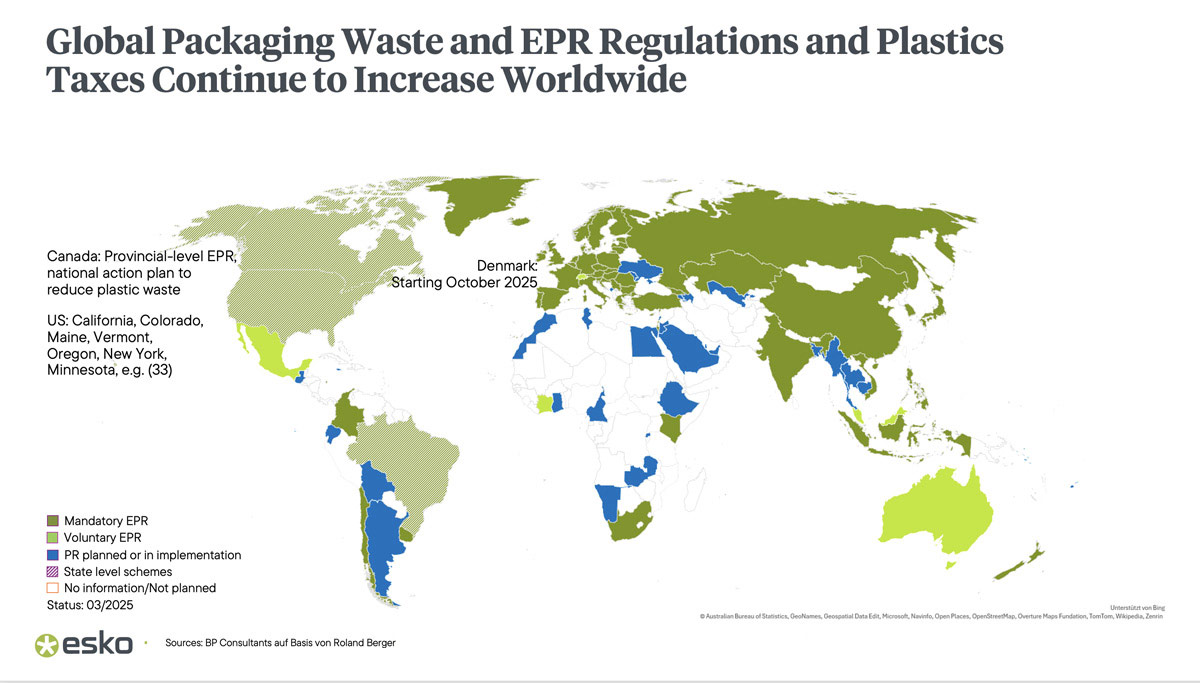
- Regulatory Landscape by Region
- The EU PPWR: A Game Changer for Packaging in Europe
- Technical Conformity Assessment
- Recyclability Requirements
- Recycled Content Quotas for Plastic Packaging
- Extended Producer Responsibility (EPR) and Fee Modulation
- Sustainability Reporting and Data Challenges
- Consumer Expectations and Demand for Sustainability
- Moving Beyond Basic Compliance Through Design for Sustainability
- Leveraging Efficient Production Processes
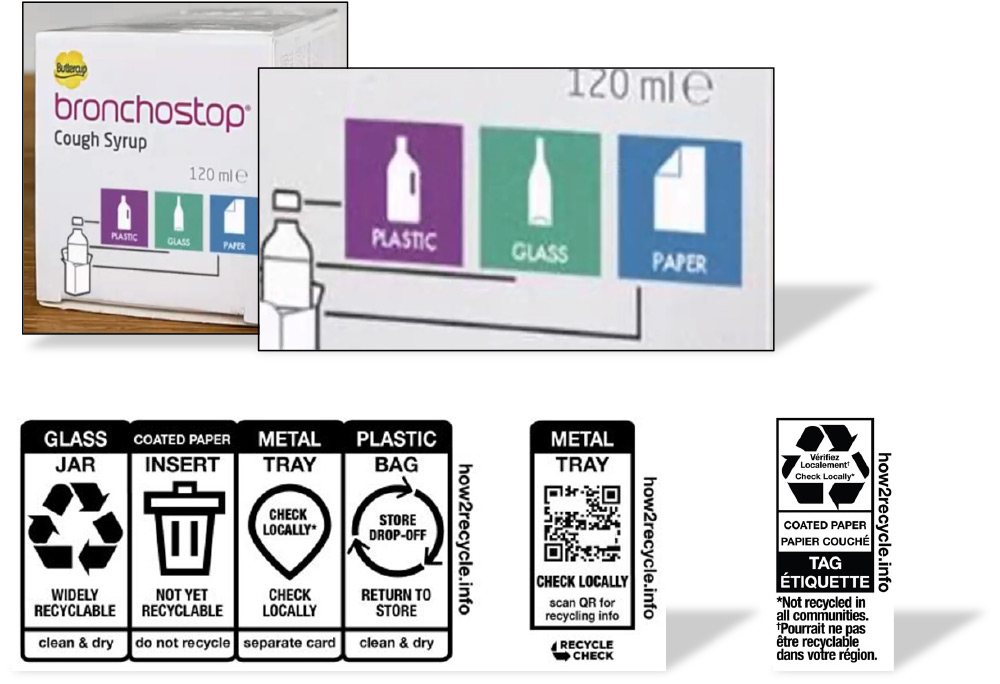
- Adapting to Harmonized Labeling for Improved Recycling
- The Importance of Collaboration and Data Sharing
- Wrapping it Up
Key Takeaways
- Regulation (EU) 2025/40 replaces a patchwork of national packaging rules with one directly applicable EU framework that affects any company placing packaging on the EU market.
- The PPWR sets concrete deadlines for recyclability, recycled content, reuse, harmonized labeling, and technical documentation, starting with application from August 12, 2026.
- Packaging teams will need evidence-based decisions on pack size, materials, artwork, inks, coatings, adhesives, and supplier data because compliance now depends on documented performance, not broad sustainability claims.
- EPR fee modulation, digital labelling requirements, and stricter reporting expectations are turning packaging data management from a back-office task into a cross-functional operational requirement.
- Companies that connect design, production, logistics, and compliance can reduce empty space, support recycling outcomes, control future costs, and respond faster to changing regulations.
The PPWR changes packaging sustainability from a broad ambition into a set of enforceable design, data, labeling, and material requirements. To comply, packaging teams need one EU-ready approach that covers recyclability, recycled content, reuse, technical documentation, and connected supplier data across the full packaging workflow.
Packaging regulation in the European Union is entering a new phase.
Imagine the current landscape of packaging regulations across the European Union as a network of roads. Each country’s roads have their own rules, speed limits, and signage, which creates confusion and can lead to multiple fender benders.
In this case, regulations, especially changes in regulations, create traffic jams and impede the efficient flow of goods and materials.
For example, the Packaging and Packaging Waste Regulation (PPWR) is like the opening of a new, comprehensive European highway system for packaging.
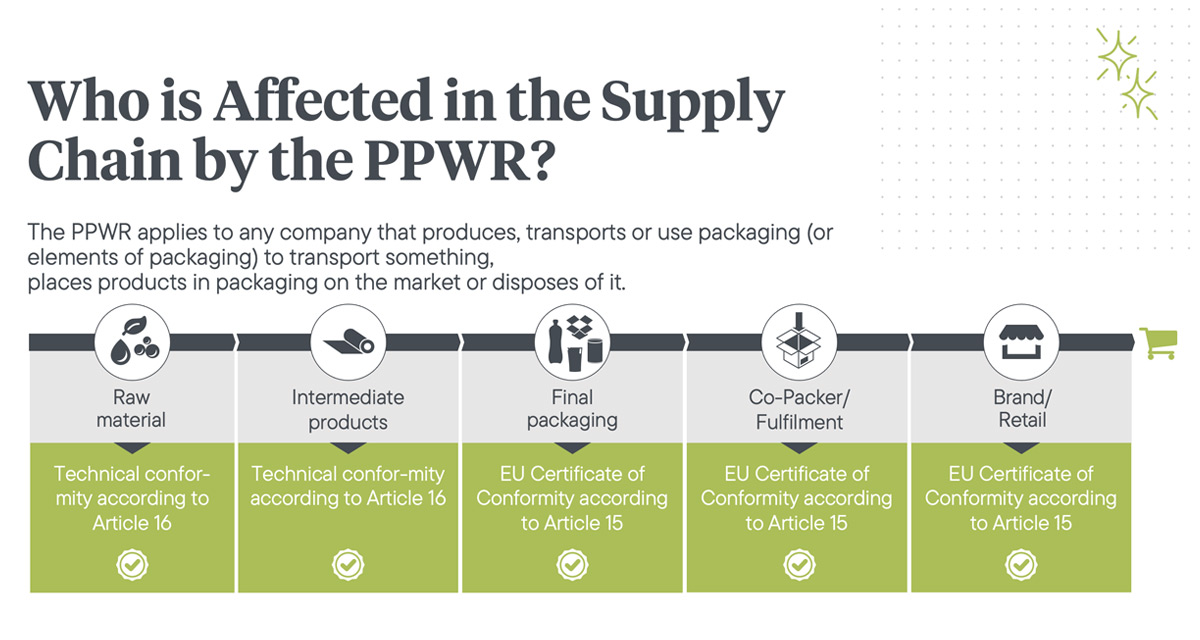
It isn’t about patching up a few potholes. It is a fundamental redesign that will lay down rules for everyone involved, from raw material suppliers to final distributors.
The PPWR represents a significant shift toward a harmonized and more sustainable approach to packaging across the EU.
The Packaging and Packaging Waste Regulation has now been officially published as Regulation (EU) 2025/40. It was published in the EU Official Journal on January 22, 2025, entered into force on February 11, 2025, and applies from August 12, 2026.
This matters because PPWR packaging rules are not another flexible directive. Unlike the previous Packaging and Packaging Waste Directive, the PPWR is directly applicable across all 27 EU Member States. That means packaging teams can no longer plan around 27 different national interpretations. You need one reliable compliance approach that can travel across EU markets.
And if your company is outside the EU? You are still in scope if you place packaging on the EU market. For global brand owners, importers, and non-EU packaging manufacturers, PPWR packaging compliance is not optional.
This article is based on the recent Esko webinar, “Redefining Packaging: Sustainability Beyond Compliance,” which featured expert insights from Esko’s Geert De Proost, Jenny Walther-Thoss of BP Consultancy GmbH, and Dominic Harris of CarbonQuota. The experts provided an in-depth overview of the upcoming EU Packaging and Packaging Waste Regulation (PPWR), its implications across the value chain, and the urgent need for data-driven compliance.