
Written by Alexandra Blanck
Content Manager, Esko
When it comes to packaging compliance, something is not working.
Regulations are expanding. Requirements are becoming more specific. Teams are investing in systems to keep up.
And yet, errors, delays, and risk exposure continue.
The issue is not awareness. Most teams understand the rules. The issue is how compliance is managed in practice.
Packaging compliance breaks because portfolios are more complex: regulations have increased globally, regionally, and by country and state, and compliance checks still rely on manual actions.
The Compliance Problem
In many organizations, compliance is still treated as a final checkpoint.
This is not because teams believe late-stage checking is ideal. It is usually because expert review time is limited, and the process depends on approved copy being transferred correctly into artwork. Teams rely on experienced people, established procedures, and a final review to catch anything that may have gone wrong.
Most of the time, that process may appear to work. But when it fails, the impact can be significant.
An issue found late can send work back through earlier stages of the process. Artwork may need to be corrected, reapproved, recreated across markets or SKUs, and delayed before release. The cost goes beyond rework. It can affect launch timing, production readiness, regulatory exposure, and, in life sciences or consumer products, patient or consumer safety.
Teams understand compliance, but processes remain centered on end-stage checks, when fixing issues is most expensive.
Regulatory Pressure is Increasing
The pressure on packaging compliance is expanding globally, with different structures and expectations.
In Europe, the Packaging and Packaging Waste Regulation (PPWR) is raising the level of detail required for packaging data. Companies are expected to track material composition, improve recyclability performance, and support clearer labeling for sorting and disposal. There is also a growing expectation to report on packaging impact across entire portfolios, not just individual products.
This pushes organizations to manage packaging data at a much more granular level. Teams need visibility into how packaging performs across formats, materials, and markets, and how changes affect compliance across all of them.
In the United States, the direction is similar, but the structure is different. Instead of a single framework, companies are navigating a growing number of state-level requirements.
Extended producer responsibility (EPR) programs, recyclability claims, and disclosure rules vary by region. At the same time, FDA expectations continue to evolve around labeling accuracy, documentation, and change control.
For many North American teams, this means managing different requirements across states while maintaining consistency across products.
The result is more variation. Teams are no longer managing one set of rules, but multiple, overlapping requirements that differ by region, product, and format.
And this is where the real problem begins. As data requirements expand and product variations multiply, compliance becomes harder to maintain.
Where it Breaks Down
Checks Happen Too Late
When compliance issues are found late, the problem is no longer isolated.
By that point, artwork may already be approved, routed, translated, adapted across markets, or prepared for production. A single correction can trigger a chain of rework across SKUs, languages, regions, and approval teams.
This creates delays, version confusion, and unnecessary cost. The later the issue is found, the harder it becomes to correct without disrupting launch timelines or production readiness.
Ownership is Centralized, but Execution is Not
In most organizations, compliance accountability is clearly defined. Regulatory or Legal teams ultimately own the content and ensure it meets requirements.
But compliance does not happen in isolation.
Packaging teams manage artwork. Marketing contributes claims and messaging. Suppliers support production. In many cases, additional stakeholders are involved across functions, regions, and markets, each with their own review and approval requirements.
As products expand across geographies, this network becomes even more complex. Regional, country, and even state-level reviews introduce additional layers of validation.
The challenge lies in how many stakeholders are involved in packaging compliance.
When so many contributors need to align, coordination becomes harder. Feedback loops multiply, handoffs increase, and visibility can be lost between teams.
Without structured workflows to manage this cross-functional process, delays increase, updates are missed, and risk grows as complexity scales.
No System for Managing Change
Packaging is constantly changing.
Updates can be driven by regulatory shifts, product variations, market expansion, material updates, or artwork changes. Each update must be applied consistently across all affected SKUs and regions.
Without a structured way to manage these changes, teams rely on manual tracking, spreadsheets, and disconnected tools.
This leads to version confusion, duplicated work, and increased risk.
What Leading Teams Are Doing Instead
The organizations that are improving compliance outcomes are changing how compliance is built into the process.
Checks Move Upstream
Control checks start at briefing and content validation, rather than at artwork creation or final review stages.
Issues are identified before files are created, and before changes are applied across multiple products, markets, or formats.
Data Becomes Central
Packaging information is structured and connected across systems. Teams can track changes across SKUs, markets, and formats, which makes it easier to maintain accuracy and consistency.
Cross-Functional Execution Becomes Structured
Regulatory teams monitor evolving requirements and assess their impact across in-market SKUs, while packaging, marketing, and other stakeholders ensure updates are accurately applied.
Workflows are designed to manage this complexity, connecting teams and providing visibility into how changes affect products across regions and formats.
What This Means for Different Teams
CPG Brands
For consumer goods companies, the challenge is scale.
Large product portfolios, frequent updates, and multiple markets create a constant stream of changes. Regulatory requirements add another layer of complexity, especially when claims, labeling, and sustainability expectations must be aligned.
Without structured workflows and connected data, maintaining compliance across hundreds of SKUs becomes difficult to sustain.
Life Sciences
In life sciences, the stakes are higher.
Labeling accuracy is tied directly to patient safety. Requirements are strict, and changes must be documented and controlled.
When workflows are fragmented or overly manual, the risk is not only operational. It can have serious consequences.
Embedding compliance into the process, rather than relying on final checks, becomes essential.
Converters and Flexo Operations
For converters, compliance is closely tied to production readiness.
Artwork files, print specifications, and customer requirements must align before production begins. Changes often come late in the process, which creates pressure on prepress and production teams.
In flexo workflows, small inconsistencies in files or specifications can affect both print quality and compliance outcomes.
Without clear version control and visibility into changes, teams spend time reworking files and resolving issues that could have been prevented earlier.
What to Change First
For many teams, improving compliance starts with how packaging work is structured day to day.
There are a few practical shifts that can make an immediate difference:
Move checks into the workflow
Introduce compliance checks at briefing and content validation, rather than relying on artwork creation or final reviews. This allows issues to be identified before they scale across products, markets, and formats.
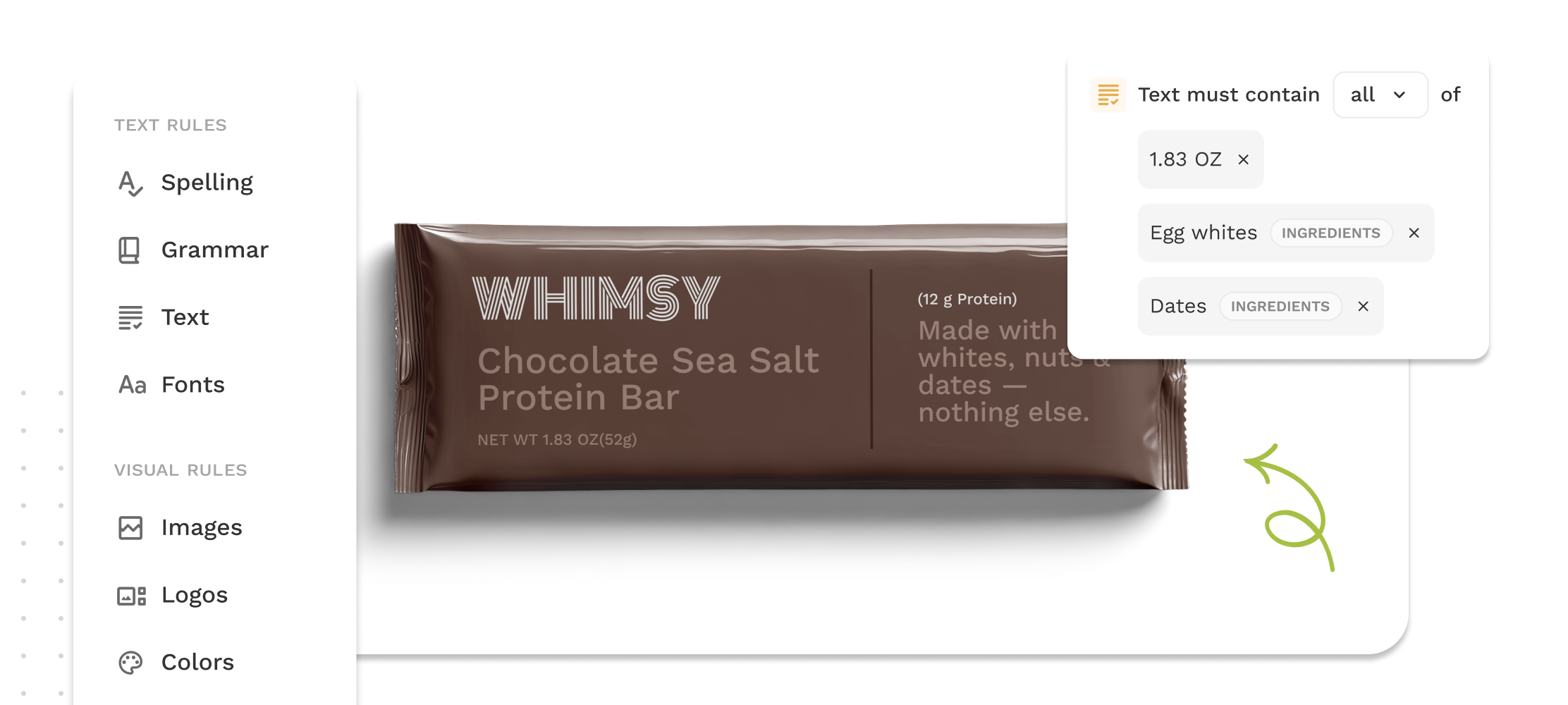
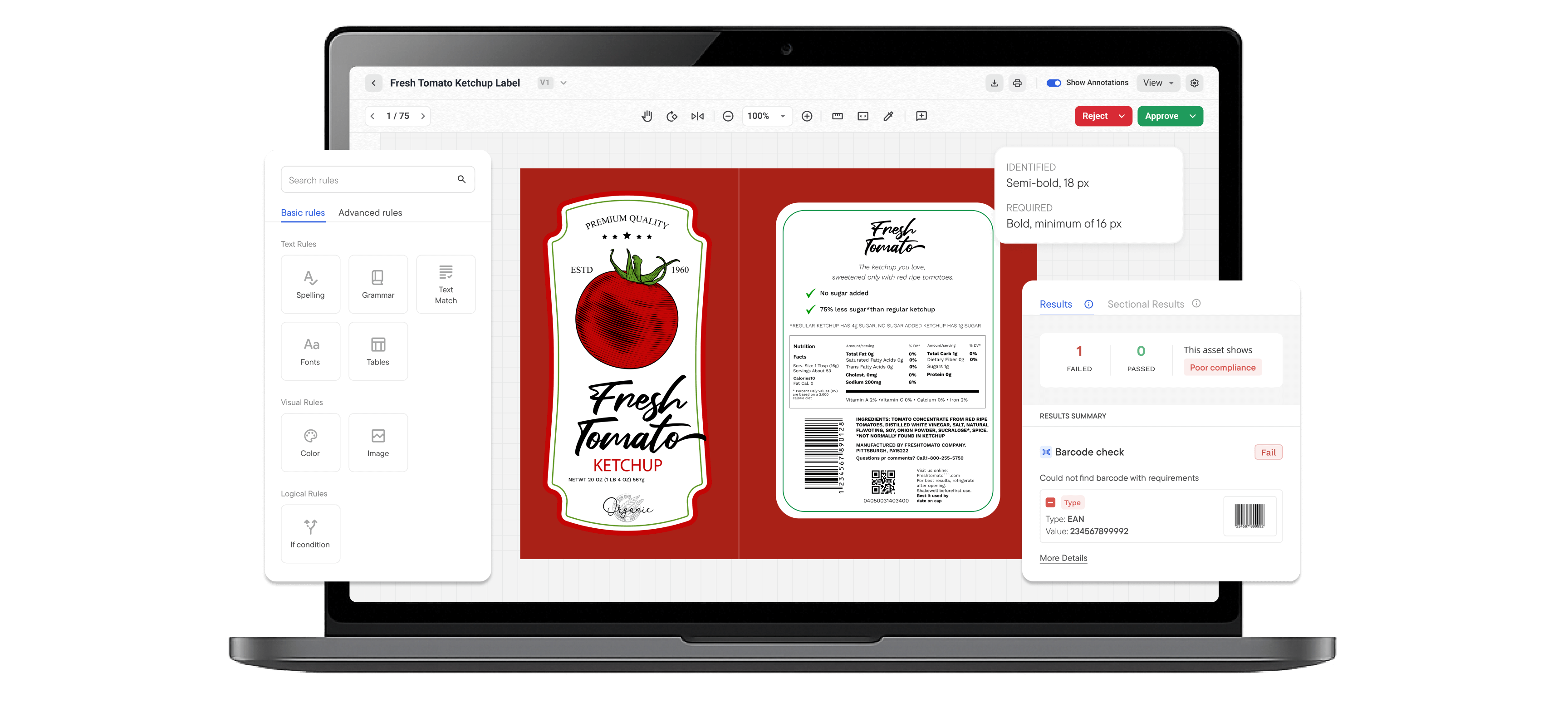
Tools like Esko Comply can support this by bringing compliance checks directly into the packaging workflow, helping teams catch issues earlier in the process.
Centralize packaging information
Bring packaging data into a single system or a connected set of systems. This makes it easier to track changes, maintain consistency, and understand the impact of updates across regions.
Structure cross-functional execution
Ensure regulatory changes are monitored, and their impact assessed across in-market SKUs, while packaging, marketing, and other stakeholders apply updates consistently. This reduces gaps between teams and improves how changes are executed at scale.
Create a process for managing change
Establish how updates are triggered, reviewed, and applied when regulations, materials, or product information change. This ensures changes are consistently executed across all affected SKUs and regions.
These shifts do not require a full transformation at once. They start by making workflows more structured, more visible, and easier to manage.
Final Thought
This is an operational problem, not a regulation one.
As requirements like PPWR expand and regional variation increases, the question is not whether teams understand compliance.
The question is whether their workflows can support it.
For a broader look at how brands are preparing for evolving compliance requirements, explore guide on the future of packaging compliance.