
Written by Alexandra Blanck
Content Manager, Esko
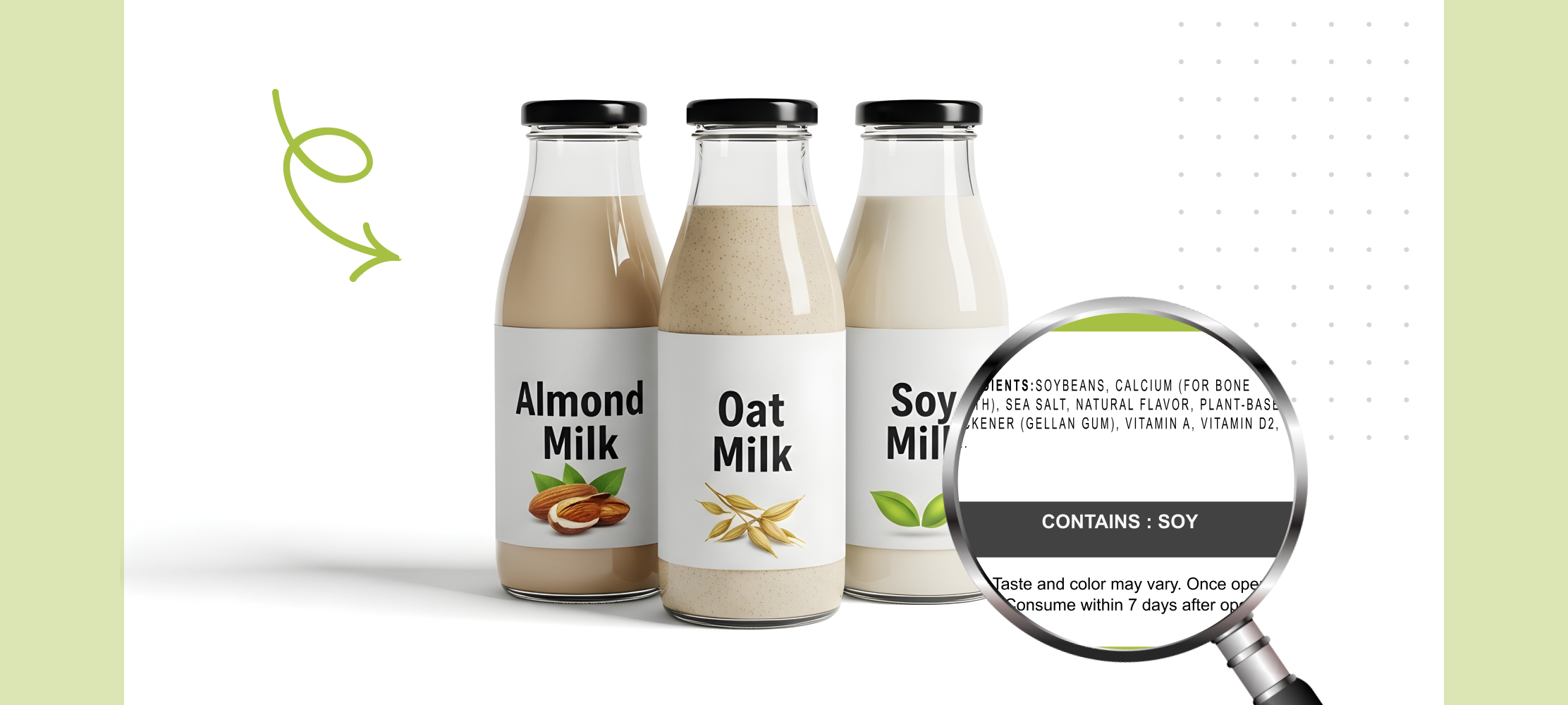
Packaging labels do more than communicate information. They influence how consumers experience a product.
Research highlighted by Packaging Digest recently showed that adding a health warning to packaging changed how consumers perceived the taste and quality of the exact same product. Nothing about the formulation changed. Only the label did.
For brands managing hundreds or thousands of packaging variations across markets, that changes the role of labeling entirely.
Because once packaging begins altering perception, labels are no longer just compliance requirements. They become part of the product experience itself.
And that creates a new operational challenge: maintaining consistent product perception across increasingly complex packaging ecosystems.
Packaging Labels Now Influence Brand Experience
In today’s packaging environment, labels carry far more influence than many organizations realize. Their impact increasingly extends beyond the physical package itself, as technologies like 2D barcodes create new ways for brands to share information and guide consumer experience.

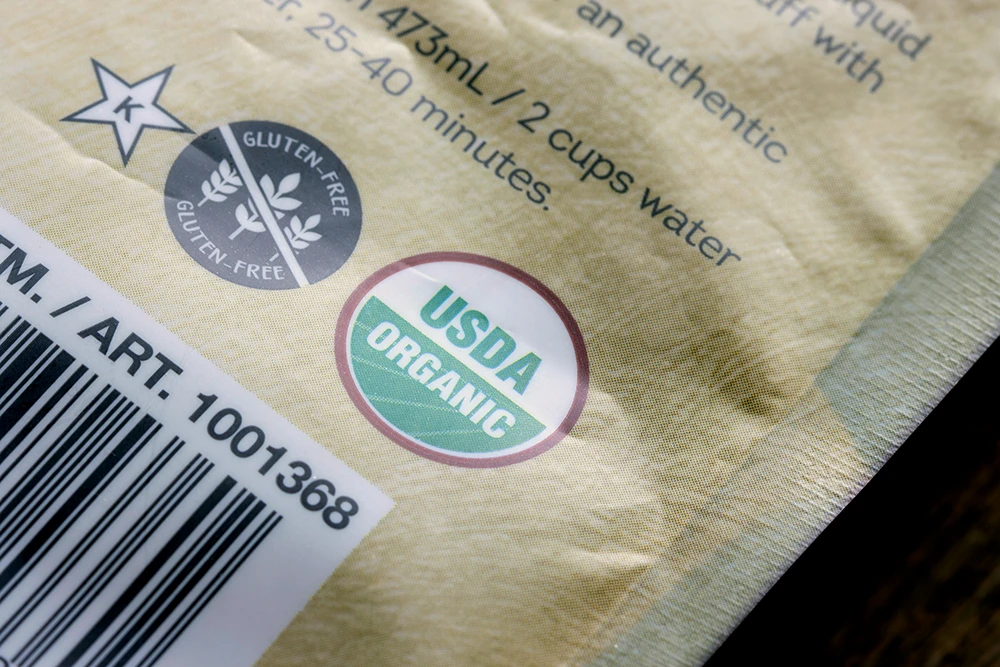
Health warnings, sustainability claims, certifications, ingredient disclosures, recyclability messaging, and sourcing information all impact how consumers interpret a product before they ever use it.
These elements do more than inform. They signal value, trust, quality, transparency, indulgence, or responsibility.
A sustainability claim may increase perceived value. A warning label may reduce perceived indulgence. A certification may build trust. Or it may create skepticism if used inconsistently across markets.
The implication is clear: every packaging label becomes part of brand perception management.
The Risk isn’t Just Non-Compliance
For years, labeling discussions centered primarily around compliance risk:
- Incorrect ingredients
- Missing warnings
- Outdated regulatory language
- Translation errors
Those risks still matter, but they’re not the only concern anymore.

When packaging influences how consumers experience products, inconsistent labeling can also create:
- Inconsistent brand perception
- Reduced consumer trust
- Conflicting product positioning
- Regional brand fragmentation
- Uncertainty around product quality or authenticity
That creates a different kind of challenge for packaging teams. A packaging variation that technically meets compliance requirements may still undermine how the brand wants the product to be perceived.
Where Packaging Perception Becomes Difficult to Control
Part of the difficulty is that packaging decisions are rarely managed by a single team.
Regulatory teams define mandatory content.
Marketing teams create positioning and claims.
Sustainability teams influence environmental messaging.
Packaging and production teams execute artwork.
External agencies, printers, and suppliers introduce additional complexity.
At enterprise scale, this quickly becomes difficult to manage consistently.
A single product may have:
- Multiple regional variants
- Different regulatory requirements
- Localized languages
- Market-specific claims
- Retailer-specific packaging
- Sustainability labeling updates
- Changing certifications
Without centralized artwork management, fragmentation becomes inevitable.
That fragmentation often appears in subtle ways:
- Outdated claims reused on legacy SKUs
- Sustainability messaging applied inconsistently
- Warning labels added late in production
- Suppliers working from outdated files
- Regional packaging drifting from global brand standards
- Approvals bypassed to meet launch timelines
And when labels influence perception, those inconsistencies go beyond operational issues.
They become issues that directly impact the brand.
From Artwork Management to Experience Management

If packaging influences product perception, then artwork management becomes about far more than version control.
It becomes a system for managing brand experience across markets, formats, and product variations.
That requires:
- Centralized control over claims and label content
- Visibility into approved packaging assets
- Structured workflows across teams
- Traceability for changes and approvals
- Consistency across regions and suppliers
Because while the goal is to produce compliant packaging, it’s also about ensuring packaging supports how the product is meant to be experienced.
The Shift Packaging Teams Need to Make
For years, packaging teams focused on getting labels approved and into production accurately.
Now they’re being asked to do something much more complex: maintain a consistent product experience across increasingly fragmented packaging ecosystems.
Because consumers don’t separate the product from the packaging around it.
And when something as small as a label change can alter perception, artwork management becomes an essential part of brand experience management.
Learn how WebCenter Enterprise helps global brands manage packaging artwork, approvals, and label content at scale.