
Written by Jan De Roeck
Marketing Director, Esko
Walking through shopping streets decorated with Christmas trees and millions of twinkling LEDs earlier this week, I was struck by a familiar contradiction: stores were busy, baskets were full—yet conversations at the counter still turned to prices, value, and “making it count.” McKinsey’s latest State of the Consumer research describes this tension well: sentiment and spending have decoupled. Consumers feel cautious, but they keep buying—optimizing where they trade down and where they splurge, redefining “value” in the moment.
Different Consumers, Different Demands
Zoom in and you see nuances across age cohorts. In McKinsey’s year-end update, Gen Z stands out: their optimism ticked up even as job-security worries rose—mirroring behaviors I saw in stores where younger shoppers mixed entry-level trade-downs with a “treat-yourself” splurge. The lipstick effect is broader now: affordable indulgences coexist with prudent budgeting. Nothing new, you would think: “in my younger days, I would do exactly the same thing.” But that’s indeed the entire point. Different age categories are in the market for the same product, but go through a different buying journey, with diverse ideas about values in their mind. How, as a brand owner in this space can you please all consumer segments, should you even try?
But there’s more, isn’t there? Sustainability surfaced repeatedly in my own gift shortlist—less plastic, more recyclable materials, and packaging I wouldn’t feel guilty about. Consumers say price and quality still rank first, yet sustainable packaging influences choice and loyalty far more than it did a few years ago.
The psychology of gifting has also evolved. Holiday reports this season highlight “intentional” gifting—fewer items, more meaning—along with self-gifting and the desire for confidence that a gift will be used and remembered. This isn’t mere economizing; it’s a recalibration of value toward usefulness, experience, and identity.
Internal Challenges for Brands and Retailers
If you’re a brand leader, this mosaic presents tough trade-offs: too many segments with divergent demands, category codes to respect, and a relentless need to pull time-to-market down without compromising quality or compliance. The macro backdrop didn’t help — price sensitivity persists, and retailers see consumers trading down in some baskets while trading up in others. The net effect is volatility: trend cycles compress, and the cost of missing a micro-trend grows. Bain argues that 2025 is a year for CPGs to reclaim relevance by rewiring the model — AI-led, data-first, productivity-obsessed — because the inflation “distortion” has cleared, and the new normal is here to stay 12.
Try Fast, Learn Faster: Designing a Responsive Go-To-Market
In food, beverage, and luxury gifting alike, the winners will be those who can ideate rapidly, test with real data, fail safely, and scale proven propositions. That requires collapsing silos across marketing, packaging, regulatory, and retail partners, and building an end-to-end workflow where content, specifications, claims, and pack artwork move seamlessly guided by a single source of truth.
The Practical Steps I Advocate — From Specification to Shopping Basket
1. Consolidate product and packaging data on a trusted platform.
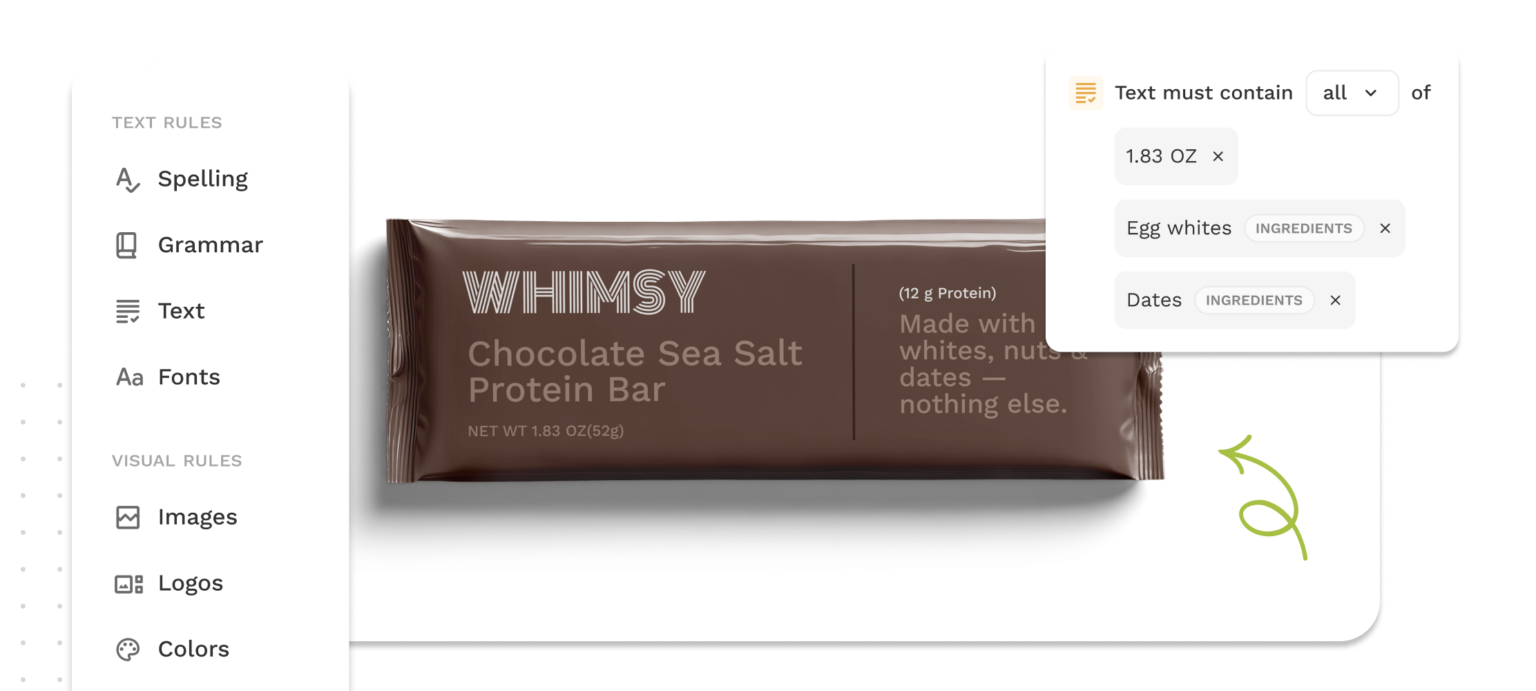
Fragmented spreadsheets don’t cut it in an era of rapid iteration. A single, governed repository for SKUs, claims, ingredients, pack specs, and artwork—accessible to brand, R&D, regulatory, and print partners—reduces rework and accelerates approvals.
2. Automate the critical path.
Design-to-print orchestration, version control, task routing, approvals, and compliance gates should be automated. Link to authoritative third-party datasets (nutrition, labeling, materials restrictions) early, so conflicts are caught before creative freezes. The aim is fewer loops, faster cycles, and zero surprises at press time.
3. Test and learn at micro-segment level.
Use shopper panels and retail media signals to A/B test claims, formats, and sustainable pack cues—then scale winners regionally. This season’s pattern—trade-down here, splurge there—demands precision in price-pack architecture and messaging by cohort.
As I wrapped up my own gift hunt, the most satisfying choices balanced value, sustainability, and story—the very triangle consumers now navigate. Brands that can manage that triangle, operationally and creatively, will not only keep pace with today’s “value-now” consumer—they’ll earn loyalty that lasts beyond the holidays.