
Written by Jan De Roeck
Marketing Director, Esko
A short weekend getaway with friends recently took me to the champagne region around Épernay in France. As you might expect, there was no shortage of exceptional bottles on the table. What struck me, however, wasn’t just what was in the glass, but what happened before the first sip.
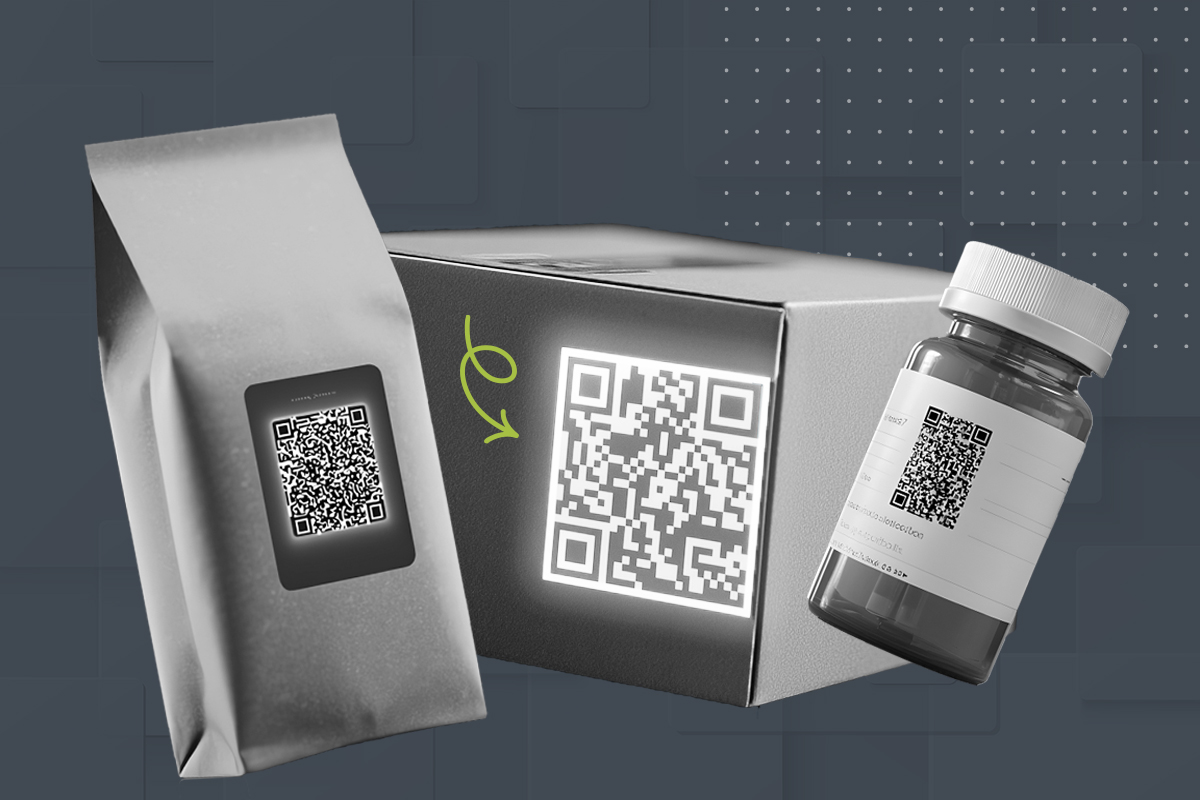
Out of curiosity, someone pulled out a smartphone, scanned the label using a QR code, and instantly unlocked a wealth of information. Where the champagne came from. How it was made. Reviews from fellow enthusiasts. Food pairing suggestions. Even the option to share the experience on social media. All of this was triggered by a simple scan of a label.
For most people, this is a nice convenience. For any professional in the packaging and label industry, it’s a moment that sparks a much bigger train of thought.
The Familiar Power of a QR Code Scan
Wine apps are a great example of how far we’ve come. A single interaction—scanning a code—opens the door to education, storytelling, community engagement, and personal experience. And importantly, this interaction feels natural. There’s no learning curve anymore.
That’s not an accident. During the COVID pandemic, QR codes became part of daily life. Menus, health information, contact tracing—we all learned how to use them, quickly and at scale. The result? A level of adoption few technologies ever achieve.
Today, that familiarity is creating a new wave of use cases across industries. From gamification, loyalty programs, recipes, and product stories to sustainability information, consumer engagement has moved far beyond static packaging into connected packaging experiences.
Legislative Pressure Meets Consumer Expectation
In food and beverage packaging, this transformation is still unfolding, but the direction is clear. Regulatory initiatives like the Digital Product Passport (DPP) in the EU are accelerating the need for accessible, reliable product information. At the same time, industry initiatives such as GS1 Sunrise 2027 are pushing toward standardized, scannable identifiers that work globally.
But regulation alone isn’t the real catalyst. The real driver is modern consumers. People increasingly expect transparency, relevance, and immediacy. They want to know what they bought, where it came from, how it was made, and how it fits their personal values.
One QR Code, Many Audiences
GS1’s ambition stretches far beyond basic identification. The vision is powerful: a single QR code that can serve many audiences, each with different needs.
- A consumer scans to learn about ingredients, origin, or to share an experience.
- A marketer wants insights into where, when and how often products are scanned.
- A logistics partner needs supply chain traceability across the value chain.
- A retailer looks for inventory and compliance information.
- A recycler or waste processor needs exact material data to support automated sorting.
The same code. Different experiences. Tailored to the reader.
And that’s where things get interesting.
The Hidden Complexity Behind QR Codes in Packaging Data Management
From a print perspective, producing a QR code is easy. That’s not the challenge.
The real complexity sits behind the scenes: collecting, structuring, validating and linking all the data required to make those experiences possible. Artwork data. Product specifications. Regulatory information. Sustainability metrics. Carbon footprint data. Market-specific content. And ensuring it’s all accurate, up to date, and secure.
This is no longer just about packaging as a physical container. It’s about smart packaging acting as a data carrier.
Packaging as the Operating System for Connected Products and Data
At this point, packaging starts to inherit a completely new role. It becomes the point where data comes together. The interface between brand owners, supply chains, regulators, consumers, and recyclers.
In many ways, this mirrors the role of an operating system in IT: organizing data, enabling applications, and orchestrating interactions between different stakeholders. Packaging is becoming the operating system of the go-to-market process for consumer goods.
That’s a fundamental shift in how we should think about labels and packaging. They are no longer the end of a process, but the connective tissue that holds it all together.
Why Packaging Converters are Key to Smart Packaging & Connected Labels
Running such an “operating system” cannot be done by a single player in isolation. Success depends on end-to-end coverage, open collaboration, and access to secure, trustworthy data across the value chain.
Yet packaging converters are uniquely well positioned to play a central role. They already manage the critical data required to produce labels and packaging—artwork, specifications, approvals, and versions. This data is accurate, current, and production ready.
By linking artwork to brand specifications, regulatory requirements and external data sources, everything converges at the moment just before printing. That’s the point where data becomes reality.
Open Platforms and APIs for Connected Packaging Ecosystems
To make this work at scale, open platform architectures are essential. An API-first mindset allows disparate systems to exchange data transparently and securely without creating new silos at every step of the supply chain.
This isn’t about owning all the data. It’s about enabling it to flow.
A Perfect Storm of Technology, Data, and Regulation
Reliable technology. Legislative momentum. Data-hungry consumers. Together, they form a perfect storm that’s redefining the role of packaging.
The label is no longer just what you see. It’s what you access.
And for those willing to embrace this shift, packaging becomes far more than a cost or compliance requirement. It becomes a strategic asset: connecting products, data, and experiences in ways that were simply not possible before.