
Written by Jan De Roeck
Marketing Director, Esko
Not long ago, I stumbled across a newspaper article about emojis — or more precisely, about how different generations use them very differently.
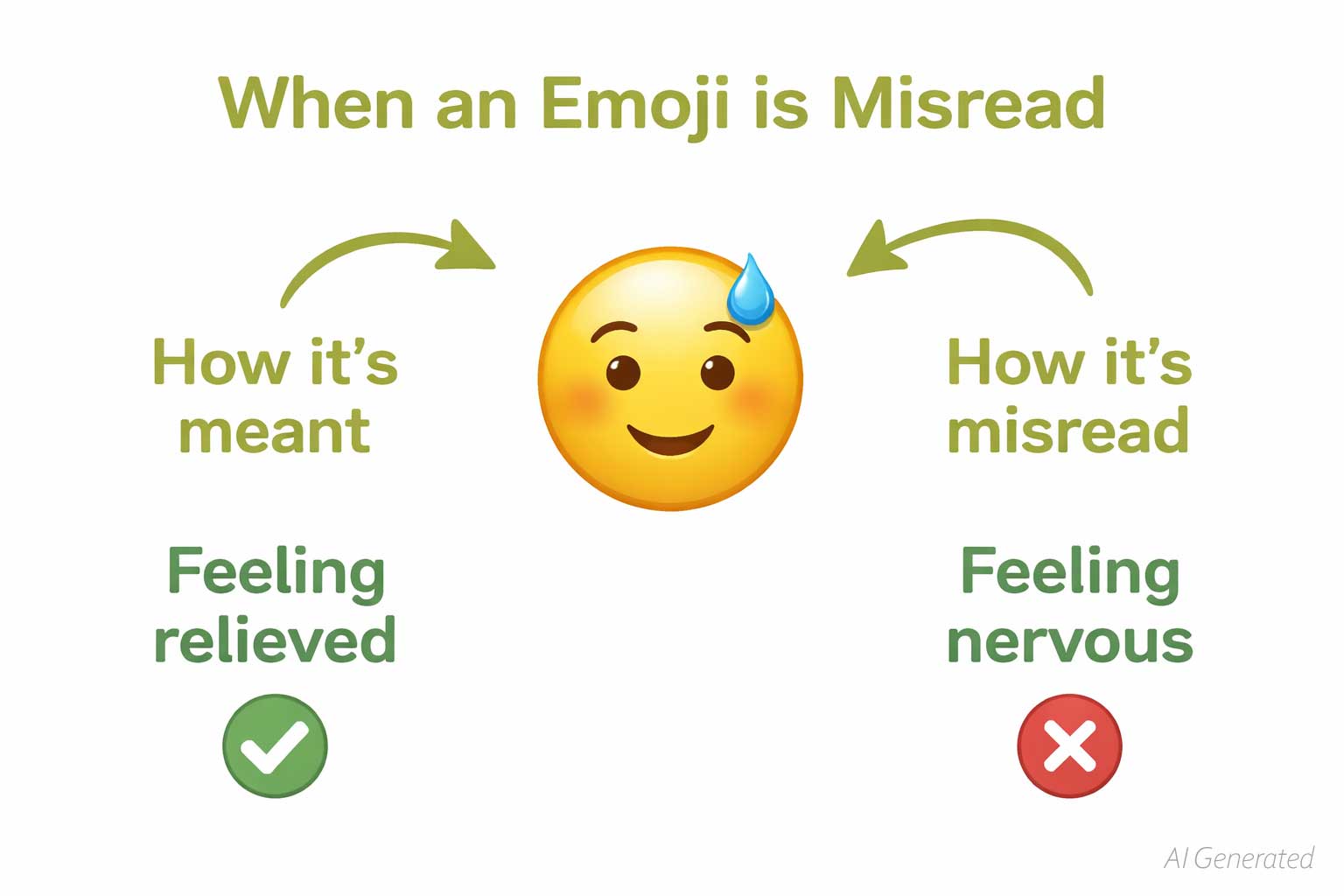
A smiley face that signals friendliness to one person can come across as passive-aggressive or even ironic to another.
One example stuck with me: an older relative sending a heat emoji simply to say, “I’m warm“, while a younger recipient silently decoded something entirely different.
It made me smile. And then it made me think.
If something as simple as an emoji — a tiny piece of visual language — can carry vastly different meanings depending on who is looking at it, what does that say about the way we design packaging?
A Generational Visual Gap
Generation Z has, on average, just reached adulthood. Technically, many are now part of the “adult consumer” segment, but their purchasing power is still developing.
At the same time, they are the most educated, most diverse, and most digitally connected generation we have ever seen. Many Gen Z consumers have grown up with a smartphone in their hand, shaped by YouTube, social media, and a constant stream of visual content.
It’s therefore no surprise that Gen Z has developed its own visual language. Emojis are only one expression of that. Typography, color, composition, authenticity — all these cues are read differently by Gen Z than by previous generations.
Which led me to a simple hypothesis: If Gen Z uses visual language differently in digital communication, wouldn’t they also respond differently to packaging design?
Standout Packaging... But What Does That Actually Mean?
According to Ad Age, 81% of Gen Z consumers have tried a product because of standout packaging, and 63% have made repeat purchases for the same reason. Those are compelling numbers, but they raise a deeper question: what does “standout” actually mean to Gen Z?
To explore that, I turned to packaging designers and trend watchers rather than marketers alone. Across multiple sources, a few recurring themes emerge — sustainability, aesthetics, authenticity — but those words on their own don’t tell the full story. The devil, as always, is in the execution.
1. Authentic Visual Expression
Many Gen Z–oriented designs are minimalist, but not sterile. Clean layouts are paired with bold typography and limited color palettes.
The goal isn’t perfection, but credibility. Overly polished, “brand-safe” designs can feel corporate or manufactured, while slightly imperfect, human designs signal honesty.
Short, direct copy matters. Packaging needs to explain quickly who made the product, what it stands for, and why it exists without sounding like it was written by the marketing department.
2. Sustainability that is Embedded, Not Advertised
Gen Z places a high value on sustainability, but they are also highly alert to greenwashing. Sustainability isn’t something that can simply be claimed; it has to be visible in the material choices, the structure, and the overall simplicity of the design.
Recyclable, refillable, or visibly eco-conscious packaging works because it shows intent, rather than declaring it.
Interestingly, this is one area where younger consumers — including Gen Z and millennials — consistently show a higher willingness to pay, provided trust is established.
3. Interactive and Participatory Packaging
For Gen Z, packaging doesn’t necessarily stop at the moment of purchase.
Limited editions, collectible designs, or packaging that extends into a broader brand experience all resonate strongly. QR codes, social tie-ins, or culturally relevant references can work, but only if they add genuine value.
This isn’t about adding technology for technology’s sake. It’s about allowing packaging to be part of an ongoing relationship, not just a container.

An Uncomfortable Realization
At this point, I ran into an inconvenient truth: I like all of this, too.
Minimalist but bold design? Sign me up. Authentic storytelling? Absolutely. As a gadget enthusiast, I also appreciate packaging that extends the experience beyond the product itself.
Yet I am very clearly not Gen Z — I would probably identify closer to a boomer than a zoomer.
So how reliable are these generational boundaries, really?
Are we designing for Gen Z as a demographic, or for a broader cultural shift that just happens to be led by them?
Designing for Gen Z — Or Designing with Them?
This is where neat segmentation starts to fall apart. Age categories can be useful, but they are not design briefs. Culture, income, geography, and personal taste overlap in ways that no generational label can fully capture.
Which leads to a more pragmatic conclusion: the only real way to know what works is to test, learn, and adapt — fast.
Put designs into the world. Share them. See what resonates. Which designs are shared, liked, ignored, or debated? Work with creators and influencers who live inside these visual cultures every day.
But there’s a catch: the real bottleneck isn’t creativity, it’s speed.
The Speed Imperative
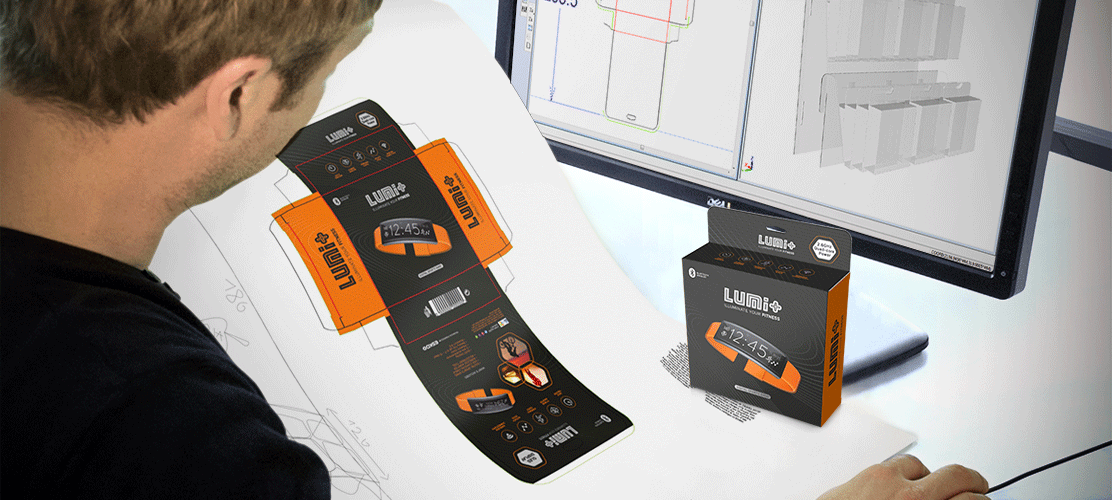
The idea of “fail fast” sounds appealing, until you look at how most packaging workflows still operate today. Fragmented processes, siloed stakeholders, disconnected systems, and an alarming reliance on attaching PDFs to emails as if that were the peak of digital maturity.
If we genuinely want to respond to fast-moving consumer expectations — Gen Z or otherwise — we need to rethink how packaging work flows through the value chain.
True digital workflows aren’t about tools alone; they’re about shared data, version control, transparency, and collaboration from concept to shelf.
In a world shaped by geopolitical uncertainty, cost pressure, and accelerating change, we simply can’t afford slow feedback loops anymore.
A Final Thought
That emoji story stayed with me because it highlights something deceptively simple: visual language is contextual. It evolves. And it only works if you understand who you’re talking to and how.
Gen Z may be leading that evolution today, but the lesson is universal. Packaging design is about understanding what people respond to.
And as an industry, we need to get our act together and create the systems, workflows, and agility to keep learning what works.
Sources: