Packaging Trends 2027 – Chapter 3

Introduction > Chapter 3
Packaging Becomes a Gateway to Product Data
The first product ever scanned at a supermarket checkout wasn’t particularly complicated. It was a pack of Wrigley’s Juicy Fruit gum.
In 1974, that small pack became the first retail product to carry a UPC barcode. The lines printed on its packaging gave a physical object something new: a machine-readable identity.
More than 50 years later, packaging is taking this idea much further.
For years, this identity was primarily about getting the right price into a cash register. Today, a code on a package is a doorway to much more: product information, traceability data, recycling guidance, authenticity checks, and digital experiences.
Packaging has long carried information such as ingredients, instructions, regulatory details, recycling guidance, and product claims. Most of this information has traditionally been fixed in print. Once a pack leaves production, the information remains unchanged until the next artwork update.
This model is evolving.
Digital Product Passports (DPPs) and similar initiatives are increasing the need for product information that is accessible, accurate, and available beyond the limits of the physical pack. At the same time, connected packaging, 2D barcodes, and digital consumer experiences are creating new ways for physical products to connect with digital systems.
The QR Code is Only One Part of the Picture
It’s easy to think of Digital Product Passports as a packaging change centered on adding a QR code.
After all, that is the part everyone sees.
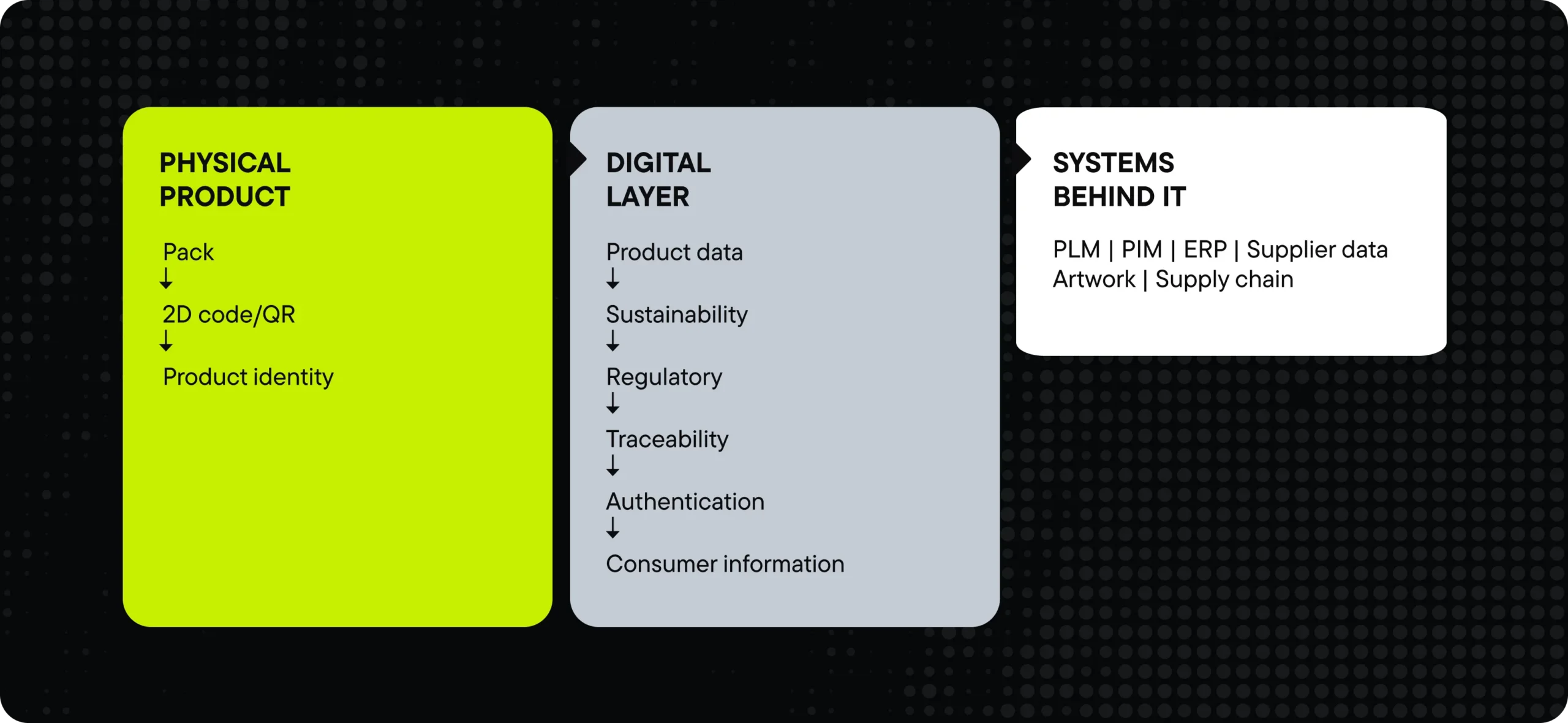
But the code is only the visible layer of a much larger system.
Max Dawes, Chief Operating Officer at Zappar, believes the biggest shift is in how organizations think about the passport itself.
“The biggest shift is from thinking about the DPP as a compliance deliverable to thinking about it as part of a product’s persistent digital identity.”
The information connected to a product may sit across PLM, PIM, ERP, and supplier systems. Different teams own different parts of this information, and processes for maintaining it often vary widely.
A Digital Product Passport quickly exposes weaknesses in the underlying product data landscape.
As Dawes explains:
“The QR code itself isn’t really the strategy. The identity, data, and infrastructure behind it are.”
A persistent digital product identity creates a broader opportunity for the packaging industry.
Three shifts are now converging: category-specific DPP requirements, retail’s move toward 2D barcodes and standards such as GS1 Digital Link, and the broader growth of connected packaging.
As Dawes explains:
“When these converge, a code on a pack stops being primarily a marketing QR code. It becomes infrastructure.”
This infrastructure can support multiple applications throughout the life of a product, with DPP requirements giving companies a new reason to invest in it.
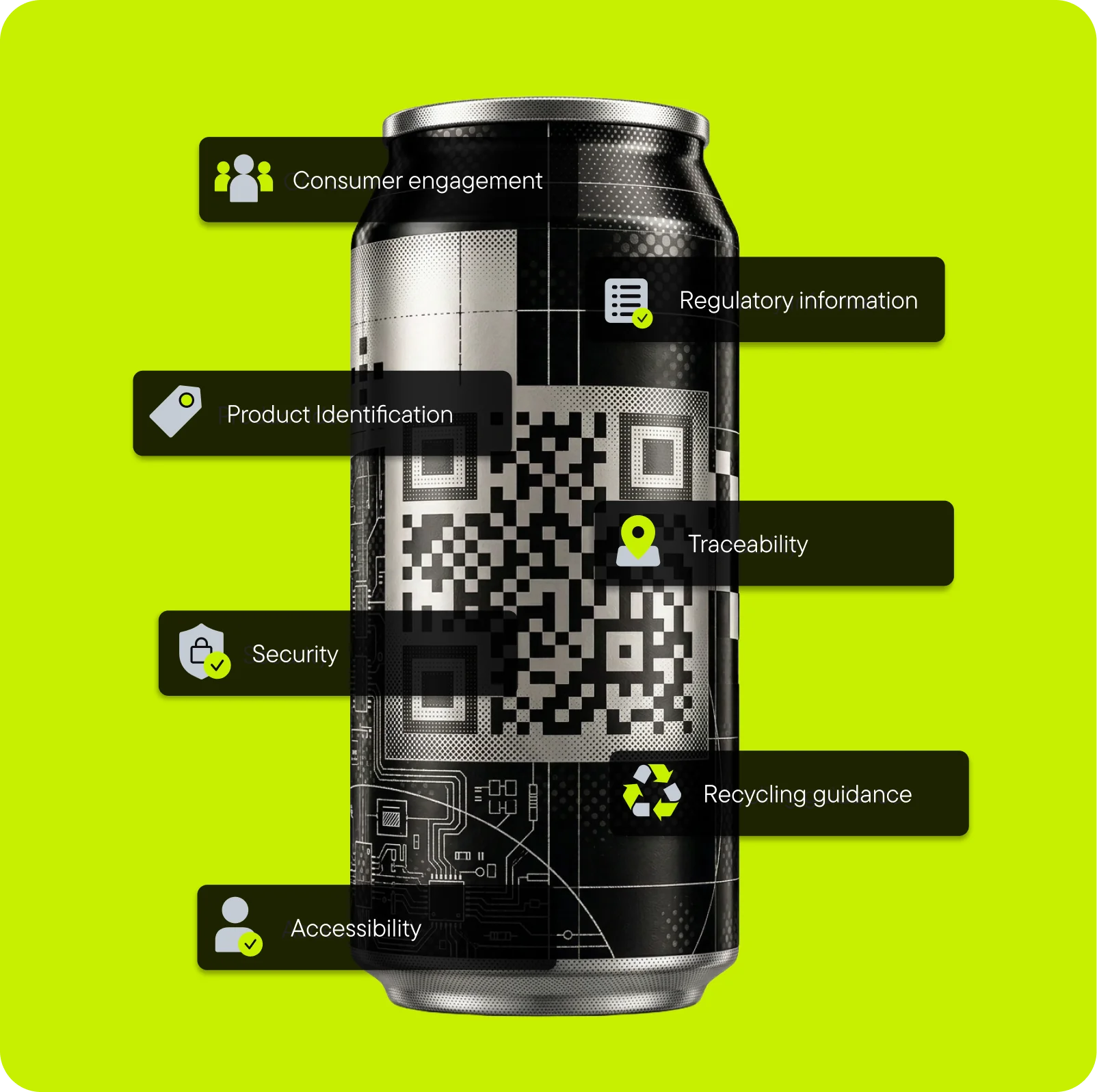
Rather than creating a separate code for every new requirement, brands are exploring whether a single digital gateway on a pack could support several purposes. Product identification, regulatory information, traceability, recycling guidance, accessibility, and consumer engagement could potentially connect through the same underlying product identity.
There is a practical reason for this, too. Packaging has limited space. A different code for every purpose would likely leave the physical pack crowded with identifiers.

But compliance is only one reason to build this digital infrastructure.
Nestor Santana, Vice President of Marketing at Scantrust, sees DPP as an important driver of packaging digitalization because the stakes around compliance are so high. Companies need to meet mandatory requirements accurately and efficiently, which creates greater demand for trusted technology and partners to help reduce the complexity involved. But Santana is quick to point out that compliance isn’t the whole story:
“Requirements like DPPs are hardly the only reason to justify packaging digitalization infrastructure.”
Companies are also looking for new ways to reach consumers, manage reseller networks, address parallel markets, authenticate products, and deliver more information through packaging and labels.
As these applications expand, the same infrastructure being developed to support compliance can create value well beyond it, giving organizations new ways to connect physical products with digital information.
One Product Identity, Different Experiences
The information on a single product may have different relevance to different people.
A consumer may want recycling guidance. A regulator may need compliance information. A recycler may need material data. Someone in the supply chain may need to verify a product’s identity. Another consumer may be looking for care instructions, authentication information, or accessibility support.
Dawes suggests separating the compliance layer from the experience layer while allowing them to share the same product identity and physical gateway.
“A regulator, a recycler, a shopper, and a blind consumer don’t need the same presentation of the same information.”
This requires the underlying information to be structured, accurate, and well governed.
This also raises additional important questions for packaging teams. How long should a product’s digital identity last? Who is responsible for maintaining it? How should information be updated once products are already on the market?
Once an identifier is printed across thousands or millions of physical products, decisions around code generation, domain ownership, artwork versioning, print quality, and long-term data maintenance become increasingly significant.

The Growing Importance
of Product Data
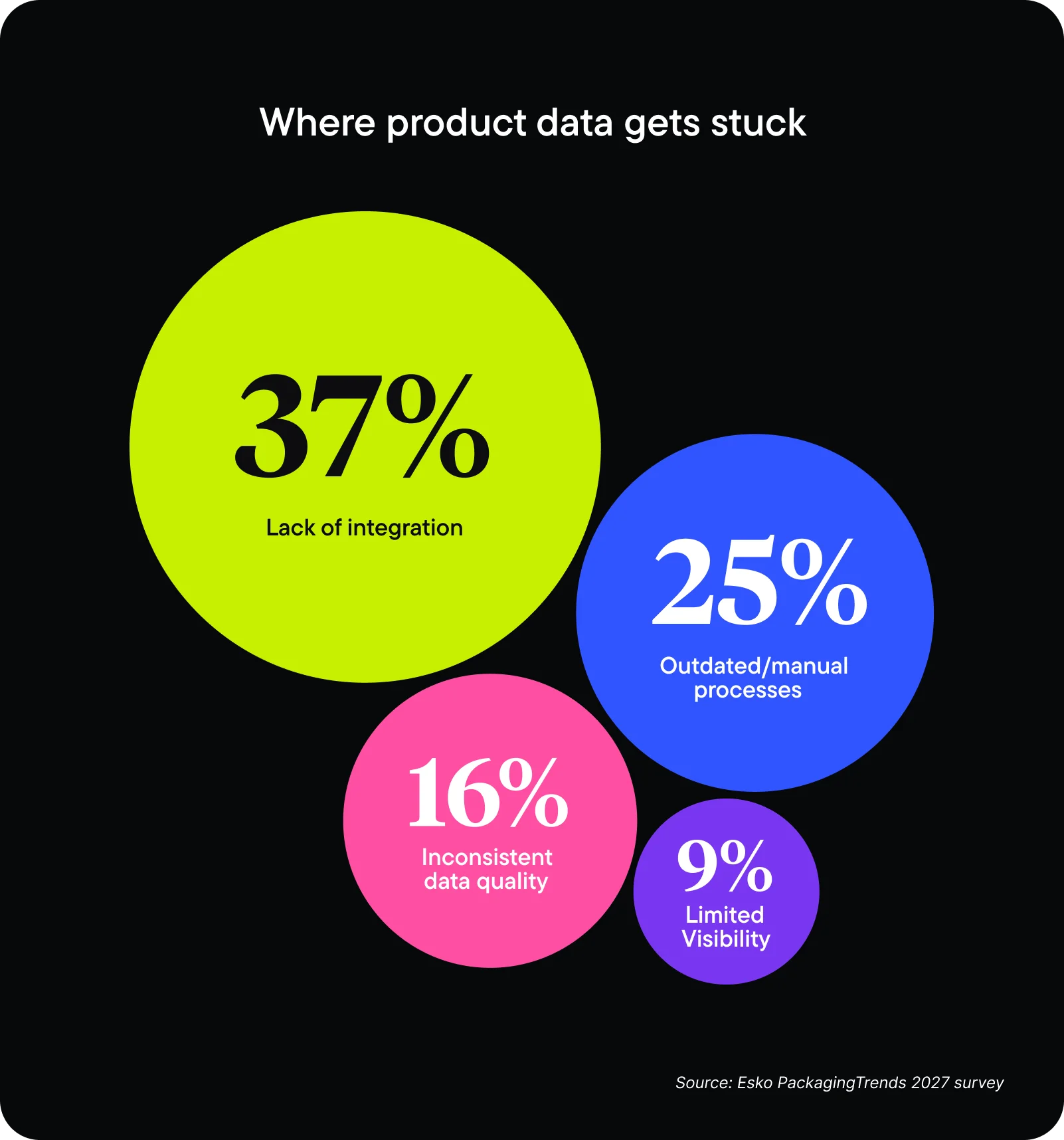
Here is where Digital Product Passports will have the biggest operational impact.
Much of the information packaging teams have historically worked with has been managed through artwork, specifications, documents, and approval workflows.
The next phase will require stronger connections between these processes and structured product data.
Think about what happens when something as simple as a sustainability claim changes.
Traditionally, that change triggers an artwork update, a review, and eventually, a new version going into production.
In a connected packaging environment, the change often affects more than what appears on the pack. The digital information connected to that product will likely need to be updated as well.
The same claim may appear in multiple markets. Different teams often own different pieces of the underlying information. Therefore, they need to know which version is correct and who approved it.
This is why DPP readiness is both an organizational and operational challenge.
A DPP has the ability to bring together information from sustainability, regulatory, IT, packaging, artwork, supply chain, and supplier systems. Coordinating these sources requires clear ownership and collaboration across functions.
The growing importance of sustainability and compliance data makes these connections increasingly valuable. As product information changes, packaging teams need to keep claims, regulatory information, artwork, and the digital data behind the pack aligned. Connected packaging workflows, such as those supported by Esko, help bring these elements together so teams have better visibility and control as packaging requirements evolve.
The organizations making the strongest progress are treating DPP as an end-to-end workflow, connecting source data, product identification, artwork, code generation, print, and the experience that follows a scan.
Esko’s packaging software connects packaging data with artwork and production workflows, giving teams a way to manage the steps between product information and the finished pack.
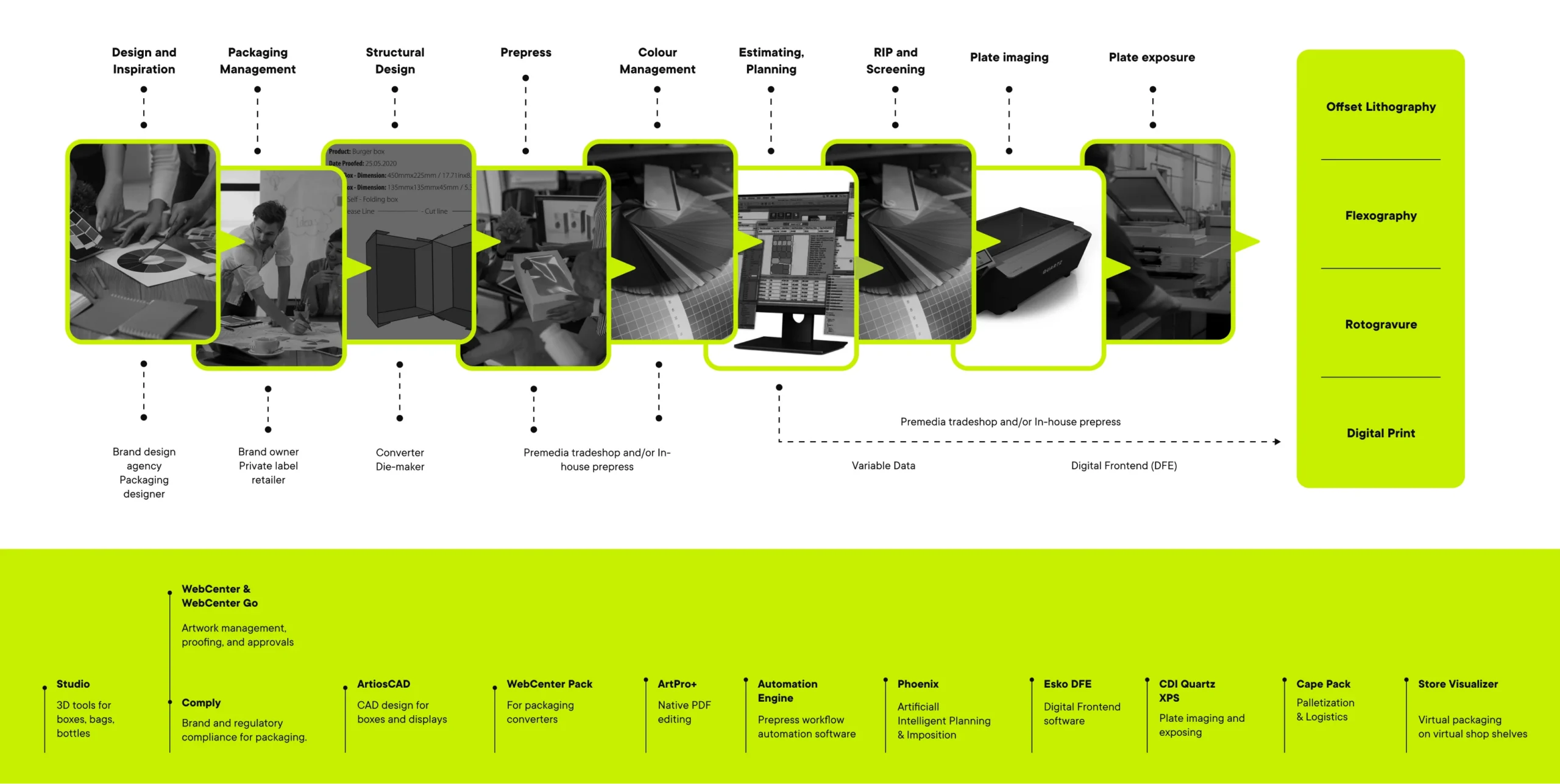
The value is particularly clear when the number of SKUs, markets, and packaging variations starts to grow. A connected workflow gives teams a stronger foundation for keeping physical packaging aligned with the information behind it.

Decisions about
Granularity Will Matter
Another issue receiving more attention is the level of detail necessary. How much detail is too much?
Should information be connected to a product type?
A specific batch?
An individual item?
The difference may sound technical, but it has significant implications for how information is managed.
A product-level identity may be enough for communicating general product information.
Batch-level information supports more detailed traceability.
Individual item-level identities create new possibilities for authentication and lifecycle tracking.
As such, each level brings a different degree of complexity.
Greater granularity creates new opportunities for traceability and authentication, while also increasing the amount of information that needs to be managed at scale.
Packaging teams will need to understand how these decisions affect artwork and print processes.
Accessibility Begins with the Physical Product
Making product information digitally available does not automatically make the route to it accessible.
A blind or low-vision consumer first needs to know that a code is present, locate it on the pack, and scan it successfully. Accessibility therefore needs to begin with the physical product, not only with the digital experience that follows.
Technologies are already emerging to address this challenge. Zappar’s Accessible QR technology, for example, adds an accessibility pattern around a standard QR code. Compatible accessibility apps can detect the code from farther away and help users locate and access the product information connected to it, while the standard QR continues to work through a phone camera.
AI assistants and wearable devices could extend this further, allowing consumers to interact with trusted product information in new ways.
For these experiences to work, the quality and provenance of the underlying data will become even more important.

Packaging Data as a
Source of Value
Brands that manage product information accurately across markets, products, and channels are better positioned to support new services and experiences as connected packaging evolves.
Converters also play an important role in this process.
Santana sees an opportunity for converters to create greater value by helping customers manage mandatory information requirements while reducing the number of moving pieces involved. As packaging becomes more connected, making these requirements easier to manage strengthens the converter’s role in the broader digital packaging ecosystem.
Code generation, verification, and the reliable execution of the connection between physical products and digital information are becoming increasingly important parts of that ecosystem.
As information moves across more connected workflows, the organizations that manage it accurately and efficiently will be in a stronger position to respond to new requirements and opportunities.
For both brands and converters, the practical question is increasingly how to make those connections work at scale.

Laying the Groundwork for DPP
The exact requirements for Digital Product Passports will vary by product category and market. Implementation will continue through different regulations and timelines. This gives organizations an opportunity to begin strengthening their foundations now.
Packaging teams may start by mapping the product categories and markets most likely to be affected. Audits may be necessary to determine where required product information currently lives and identify who is responsible for maintaining its accuracy. Teams should also establish a clear strategy for product identity, including the appropriate level of granularity.
It’s often said that the best pilots look at the complete journey, not just the individual steps to get there.
Digital Product Passports may be visible on the pack, but their success will depend on the systems and processes behind them. Accurate product information, connected workflows, clear ownership, and reliable data governance all play a role.
As packaging increasingly connects physical products with digital systems, these capabilities will become relevant across compliance, sustainability, traceability, and consumer engagement.
The goal is to make the product identity permanent enough for compliance, flexible enough for brands, and accessible enough for everyone.

 Tap to read





Want to keep a copy?
Download the complete 2027 Packaging Trends report to save, share, or read offline.